World · Singapore Bureau
Chinese students reassess English skills amid rapid AI advancement
As artificial intelligence translation tools become increasingly sophisticated, Chinese educators and parents are questioning whether traditional English-language education remains essential for future employment prospects.
LSN Singapore ·
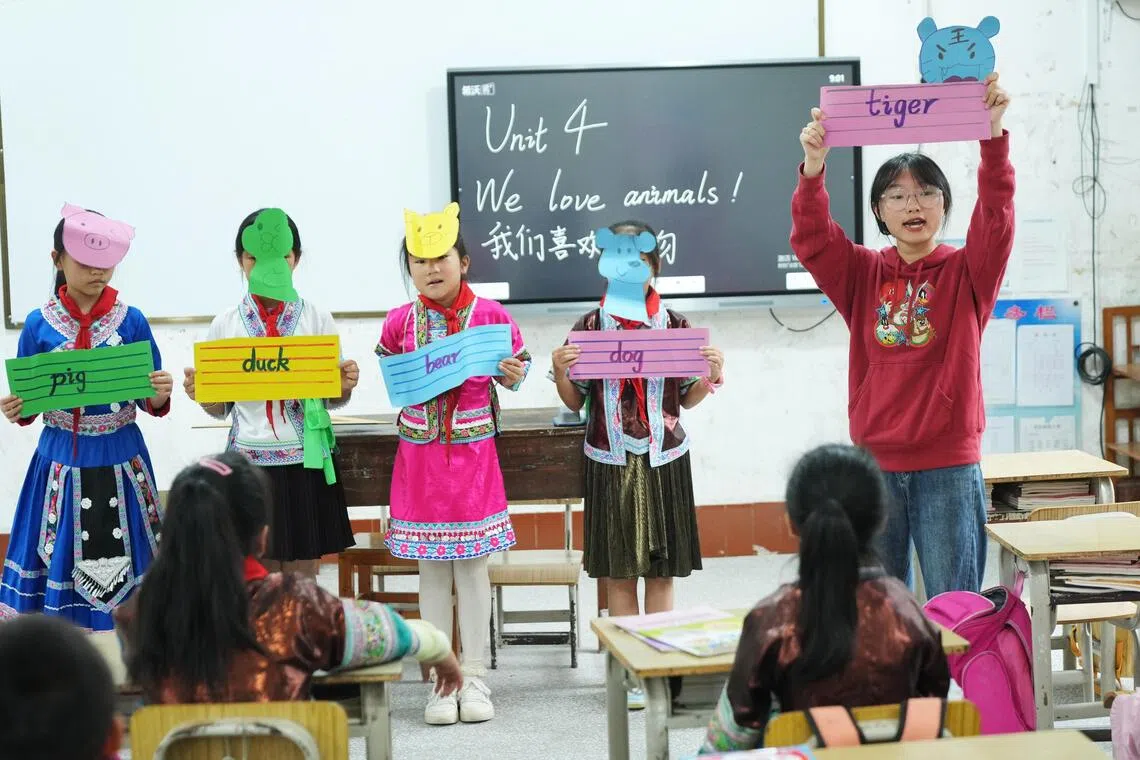
The rapid advancement of AI-powered translation technology has sparked a broader debate across China about the relevance of English-language skills for the next generation of workers. With real-time translation becoming more accurate and accessible, some students and families are reconsidering the substantial time and financial investment traditionally devoted to mastering English.
Educators acknowledge the shift in perspective, noting that questions about practical career applications have become more pressing as generative AI tools demonstrate near-native proficiency in language translation. This reassessment comes as Chinese institutions grapple with evolving workforce demands and the changing role of language proficiency in an increasingly digitized global economy.
The discussion reflects deeper concerns about which competencies will remain valuable as automation transforms the job market. While some argue that English proficiency retains importance for international business and academic collaboration, others contend that resources might be better directed toward developing skills in emerging fields less vulnerable to AI disruption.
Universities and secondary schools across China are now examining curriculum priorities in response to these concerns. The debate highlights a wider challenge facing educational systems in Asia: adapting training programmes to prepare students for a rapidly evolving technological landscape while determining which traditional skills remain indispensable.