Business · World News Bureau
Chinese university acquires restricted Nvidia AI chips despite US export controls
Investigation documents reveal that a Chinese academic institution has obtained advanced Nvidia H200 processors subject to US export restrictions. The acquisition underscores ongoing challenges in enforcing technology controls on sensitive semiconductor exports to China.
LSN World News ·
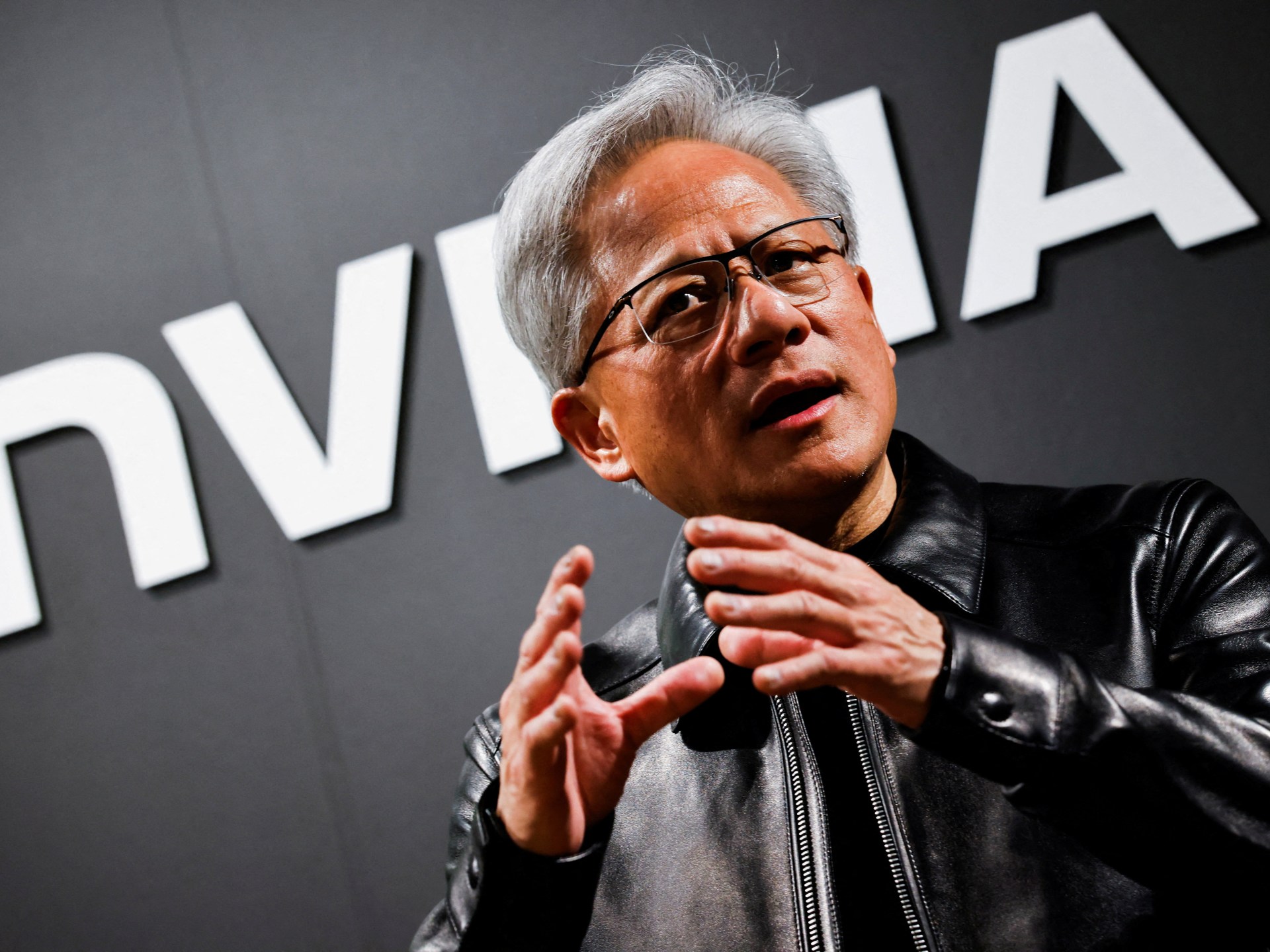
Records examined by researchers have documented the purchase of Nvidia's H200 artificial intelligence chips by a Chinese university, circumventing US export control measures designed to limit Beijing's access to cutting-edge computing technology. The H200 processors, among the most advanced AI accelerators currently available, are subject to strict export restrictions implemented by Washington to maintain technological advantage and address national security concerns.
The transaction highlights persistent gaps in enforcement mechanisms aimed at preventing sensitive semiconductor technology from reaching Chinese institutions and companies. Despite comprehensive regulations established by the US Commerce Department, evidence suggests that restricted components continue to enter China through various supply chain routes and commercial channels.
US policymakers have implemented increasingly stringent controls on semiconductor exports to China over recent years, citing concerns about military applications and artificial intelligence development capabilities. The restrictions target leading-edge chips produced by companies including Nvidia, AMD, and Intel, with export authorizations typically limited to approved commercial applications in non-sensitive sectors.
The documented acquisition raises questions about the effectiveness of current enforcement protocols and compliance mechanisms across international technology supply chains. Industry analysts note that multiple pathways exist for circumventing restrictions, including third-party purchases, re-exports through intermediary countries, and technical compliance methods that exploit regulatory ambiguities.
US officials have pledged continued vigilance in monitoring technology transfers and enforcing export compliance, though enforcement challenges persist given the complexity of global semiconductor distribution networks and the high commercial demand for advanced computing components.