World · India Bureau
Chinese vloggers misidentify Dhaka streets as Delhi in viral videos
Content creators are posting videos from Bangladesh's capital while falsely claiming they show Indian cities, raising concerns about deliberate misinformation and its impact on international perceptions. The trend extends beyond social media metrics, touching on national image and cross-border stereotyping.
LSN India ·
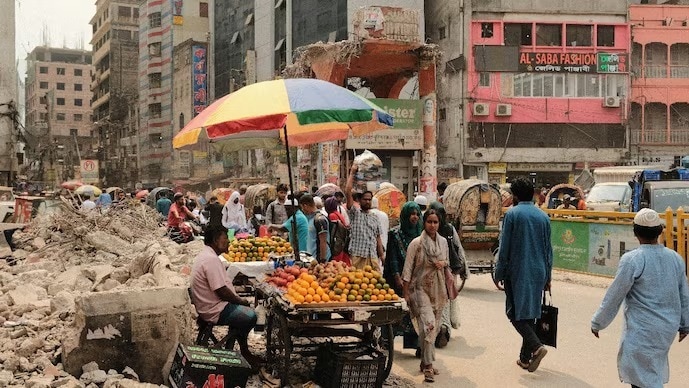
A concerning pattern has emerged online where Chinese video creators are filming in Dhaka's streets and presenting the footage as originating from New Delhi and other Indian cities. The practice, which has gained traction on social media platforms, combines geographic misrepresentation with disparaging commentary about Indian lifestyles and living conditions.
The videos appear designed to generate engagement through sensationalism, often featuring exaggerated or derogatory observations about daily life. However, experts and observers argue the implications extend far beyond typical content creation tactics. By deliberately attributing Bangladeshi urban scenes to Indian cities, the creators risk establishing false impressions among international audiences about India's infrastructure and people.
The phenomenon reflects broader concerns about misinformation in the digital age, particularly when content crosses national borders. Social media algorithms often amplify such material based on engagement metrics rather than accuracy, allowing misleading narratives to reach millions of viewers globally. This dynamic creates environments where deliberate falsehoods can significantly influence public perception.
The practice also raises questions about content authenticity standards on major platforms and the responsibility of creators to verify information before publication. For India, the videos represent an uncontrolled narrative being shaped by external actors, potentially damaging the country's international image and reinforcing stereotypes among viewers unfamiliar with actual conditions on the ground.
Media analysts have called for increased awareness among viewers about verifying video locations and sources, while platform operators face pressure to implement stricter fact-checking protocols for content spanning multiple countries.