Technology · India Bureau
Chip shortage emerges as India's AI ambitions face hardware crunch
Despite robust funding for artificial intelligence ventures, Indian developers are grappling with severe shortages of semiconductor chips, memory components, and electrical power needed to build and operate AI systems. The supply constraints are emerging as a critical bottleneck threatening to slow the nation's AI expansion.
LSN India ·
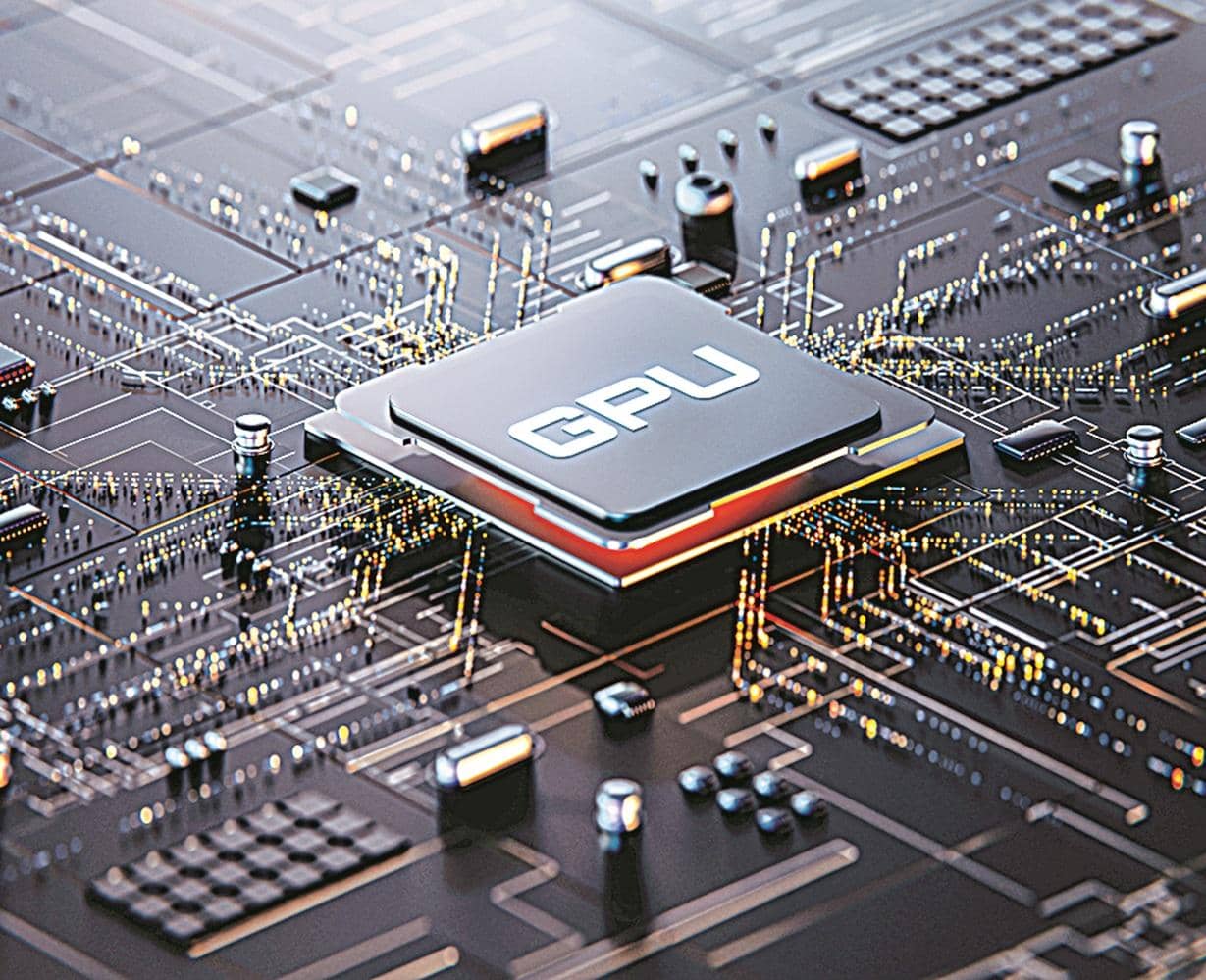
India's artificial intelligence sector has attracted significant capital investment in recent months, with venture funding flowing into startups and research initiatives across the country. However, this financial momentum is colliding with a fundamental infrastructure challenge: the inability to secure essential hardware components required to train and deploy AI models at scale.
Developers and companies building AI applications report mounting difficulties in procuring high-performance semiconductor chips and memory components necessary for processing vast datasets and running complex machine learning models. The shortage extends beyond mere availability to encompass lead times, pricing pressures, and the geopolitical complexities surrounding semiconductor supply chains in the region.
Electrical power infrastructure has emerged as an equally pressing concern. Training sophisticated AI models demands enormous computational resources that consume substantial amounts of electricity. Many Indian facilities lack the reliable, consistent power supply required to operate data centers and computing clusters continuously, forcing some organizations to relocate operations or accept performance compromises.
Industry observers note that while the funding ecosystem demonstrates India's ambitions in artificial intelligence, translating capital into functional AI capabilities requires addressing these hardware and infrastructure limitations. Without resolving chip access and power supply issues, India risks underutilizing its investment in talent and technology development, potentially ceding competitive advantage to regions with more robust semiconductor and energy infrastructure.