World · India Bureau
Chirag Pavan launches caste-focused political bid ahead of UP elections
LJP leader Chirag Pavan has unveiled a new electoral strategy targeting Gen-Z voters through a 'P3' formula designed to unite three influential social groups in Uttar Pradesh. The initiative has drawn sharp responses from rival political parties ahead of state elections.
LSN India ·
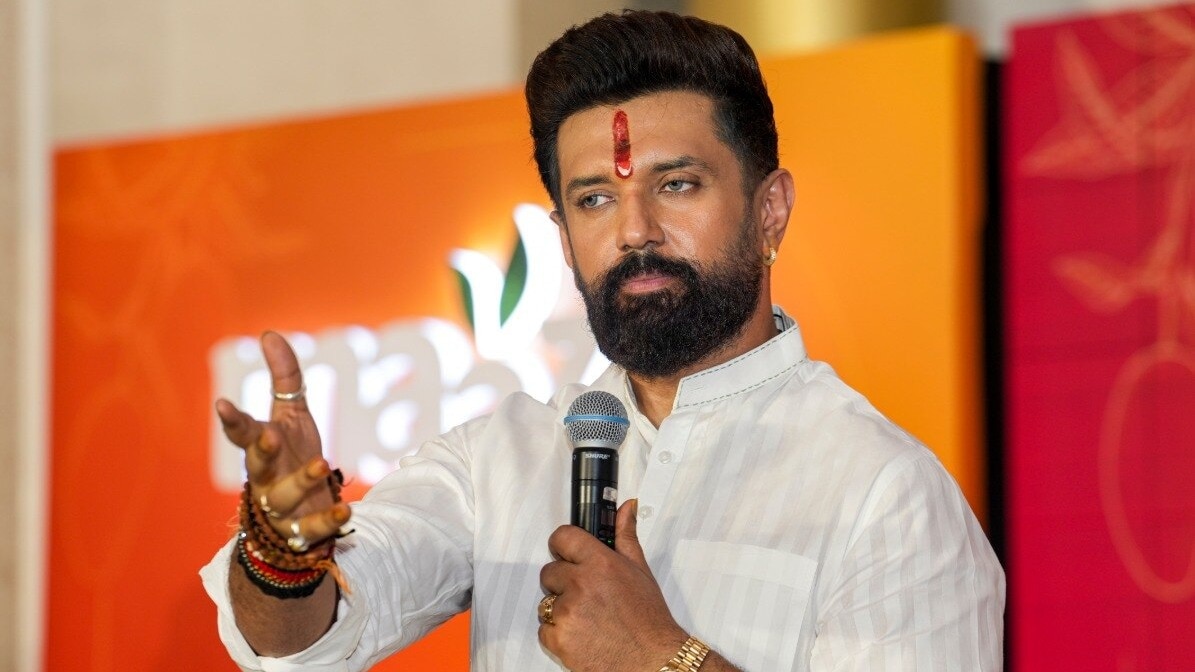
Chirag Pavan, leader of the Lok Janshakti Party, has launched a fresh political campaign in Uttar Pradesh centred on a three-pronged caste-based strategy aimed at mobilising younger voters. The 'P3' formula, as it is being termed, seeks to forge unity among Pandits, Pasis, and Paswan communities—traditionally important voting blocs in the state's electoral landscape.
The campaign represents an attempt to create a distinctive political positioning ahead of upcoming state elections. By focusing on Gen-Z voters within these demographic groups, Pavan's party is banking on a consolidated voter base built around shared social identities. Political analysts suggest the approach reflects broader efforts by regional parties to maintain relevance in India's evolving electoral dynamics.
The initiative has provoked varied reactions from competing political formations. The Samajwadi Party, Bharatiya Janata Party, and Indian National Congress have each offered distinct criticisms of the strategy, with opposition parties alleging it represents a divisive approach to electoral politics. Political commentators note the responses highlight deepening fault lines among opposition parties in Uttar Pradesh as they jockey for advantageous positioning before voting begins.
Pavan's move comes as regional players continue experimenting with targeted electoral strategies designed to fracture traditional voting patterns and secure previously untapped demographic segments. The political significance of such initiatives extends beyond immediate electoral calculations, reflecting broader shifts in how parties in northern India are attempting to construct winning coalitions.