World · India Bureau
Choti Diwali marks Krishna's victory over demon Narakasur
Choti Diwali, also known as Narak Chaturdashi, commemorates Lord Krishna's slaying of the demon Narakasur and the liberation of thousands of maidens held captive. The festival, observed on the lunar calendar, carries deep mythological significance in Hindu tradition.
LSN India ·
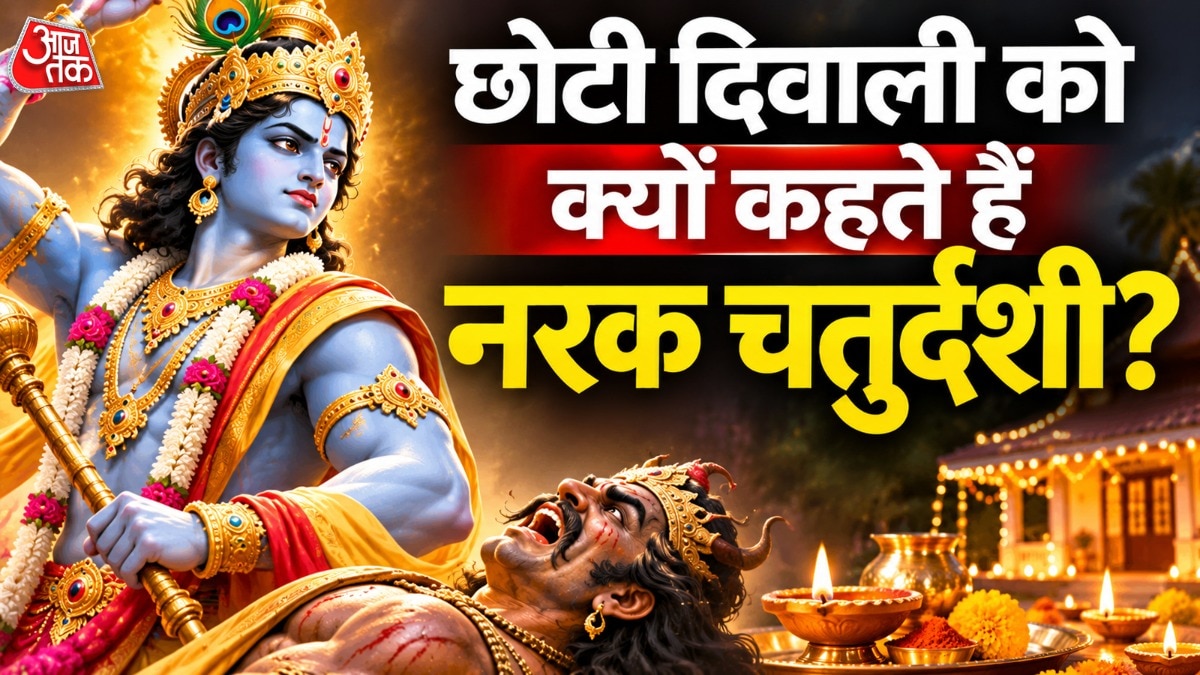
Choti Diwali, celebrated on the fourteenth day of the dark fortnight in the Hindu month of Kartik, holds special religious importance across India. The festival derives its alternative name, Narak Chaturdashi, from the Sanskrit words 'Narak' meaning hell and 'Chaturdashi' meaning the fourteenth day, referring to a pivotal episode from Hindu mythology.
According to ancient texts, the day commemorates Lord Krishna's victory over Narakasur, a powerful demon who had terrorised the region and imprisoned thousands of young women in his fortress. Krishna is believed to have defeated the demon on this auspicious day, freeing the captives from bondage and vanquishing evil from the realm.
The mythological narrative has made Choti Diwali an integral part of the broader Diwali festival cycle. Celebrated primarily in North India, particularly in regions including Uttar Pradesh, Madhya Pradesh, and parts of Maharashtra, the observance typically involves ritualistic practices aimed at invoking divine protection and celebrating the triumph of good over evil.
Devotees traditionally light oil lamps and engage in prayers on this day, viewing it as spiritually auspicious for new beginnings. The festival's religious calendar placement, preceding the main Diwali celebrations by one day, underscores its importance in the Hindu festival cycle and continues to be observed by millions of followers seeking blessings and spiritual renewal.