World · Myanmar Bureau
Christian Organizations in Myanmar Face Evolving Operating Environment
Christian groups operating across Myanmar continue to navigate a complex landscape shaped by political developments and social dynamics. These organizations play a significant role in community engagement and humanitarian activities throughout the country.
LSN Myanmar ·
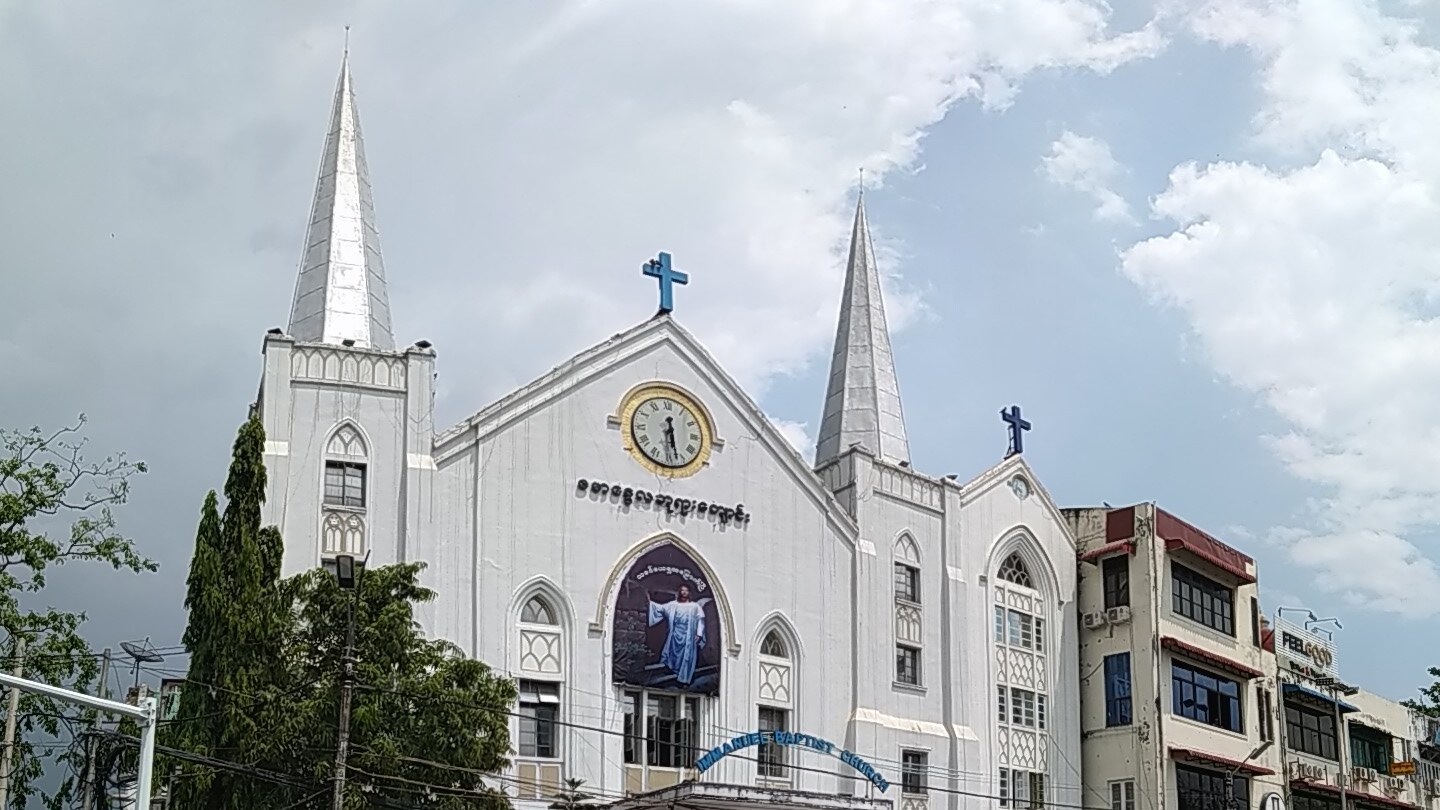
Christian organizations have maintained a presence across Myanmar for generations, contributing to educational, medical, and social welfare services in communities nationwide. Their work spans rural and urban areas, often focusing on vulnerable populations and underserved regions.
These groups operate within Myanmar's broader religious and civil society framework, where approximately 6-8 percent of the population identifies as Christian. The organizations range from international faith-based NGOs to locally-established churches and community associations, each adapting their programming to meet local needs and regulatory requirements.
In recent years, Christian organizations have faced challenges related to administrative procedures and operational permissions. Like other civil society groups in Myanmar, they have had to adjust their activities and structures in response to changing governmental policies and implementation of new regulations.
Despite obstacles, Christian groups continue to provide essential services including healthcare delivery, educational support, and social assistance programs. Their work remains integral to Myanmar's civil society ecosystem, particularly in areas where government resources are limited or inaccessible.
Moving forward, Christian organizations are expected to continue their community-based initiatives while working through appropriate channels to maintain operational status and expand their humanitarian reach across Myanmar's diverse regions.
Photo: Immanuel Baptist Church, founded in 1885, in downtown Yangon, Myanmar, April 2018. Bjoertvedt via Wikimedia Commons (CC BY-SA 4.0).