Politics · World News Bureau
Christian Zionism's growing influence shapes US Middle East policy
Religious ideology centered on biblical interpretations of Israel has gained significant traction within American political circles, raising questions about its impact on US foreign policy in the Middle East. Analysts argue the movement reflects deeper theological beliefs about end-times prophecy rather than secular geopolitical considerations.
LSN World News ·
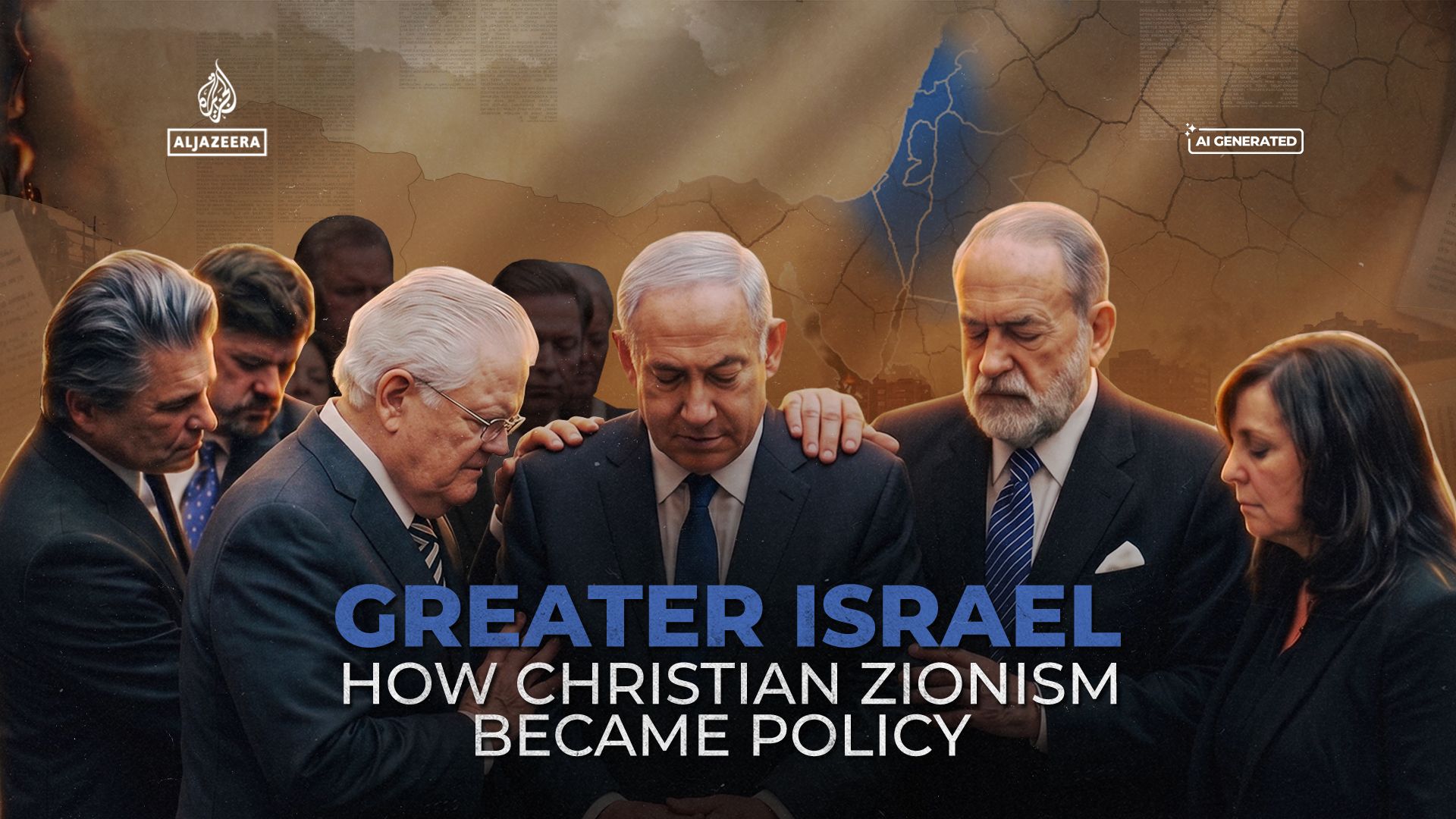
Christian Zionism, a religious movement rooted in evangelical theology, has established itself as an influential force in shaping American attitudes toward Israel and regional policy. Proponents of the ideology interpret biblical passages as supporting the establishment and expansion of a Jewish state in the Middle East, viewing it as fulfillment of religious prophecy. This theological framework has translated into political mobilization, with organized Christian groups engaging in advocacy and lobbying efforts that align with certain Israeli government positions.
The movement's influence extends into US political institutions, where lawmakers and policy advisors with Christian Zionist affiliations have championed positions supporting Israeli military and territorial expansion. Supporters argue they are fulfilling religious obligations, while critics contend the ideology conflates modern geopolitical strategy with ancient scriptural interpretation, potentially distorting rational foreign policy analysis.
Observers note that Christian Zionism differs from secular support for Israel by explicitly connecting Middle East developments to apocalyptic theological narratives, including concepts of biblical end-times. This eschatological dimension introduces religious considerations into policy discussions traditionally dominated by strategic, humanitarian, and diplomatic frameworks.
The convergence of Christian Zionist activism and US foreign policy has generated debate among scholars, religious leaders, and policymakers about appropriate boundaries between religious conviction and state governance. Regional analysts caution that policies influenced primarily by theological rather than pragmatic considerations may complicate efforts toward sustainable peace settlements and long-term stability in the Middle East.