World · India Bureau
CJI Declines Meeting with Rahul Gandhi, Cites Judicial Independence
Chief Justice of India Surya Kant has declined a request from Congress leader Rahul Gandhi to meet, citing the need to maintain the judiciary's constitutional independence from political engagement. The refusal underscores the CJI's commitment to preserving institutional neutrality.
LSN India ·
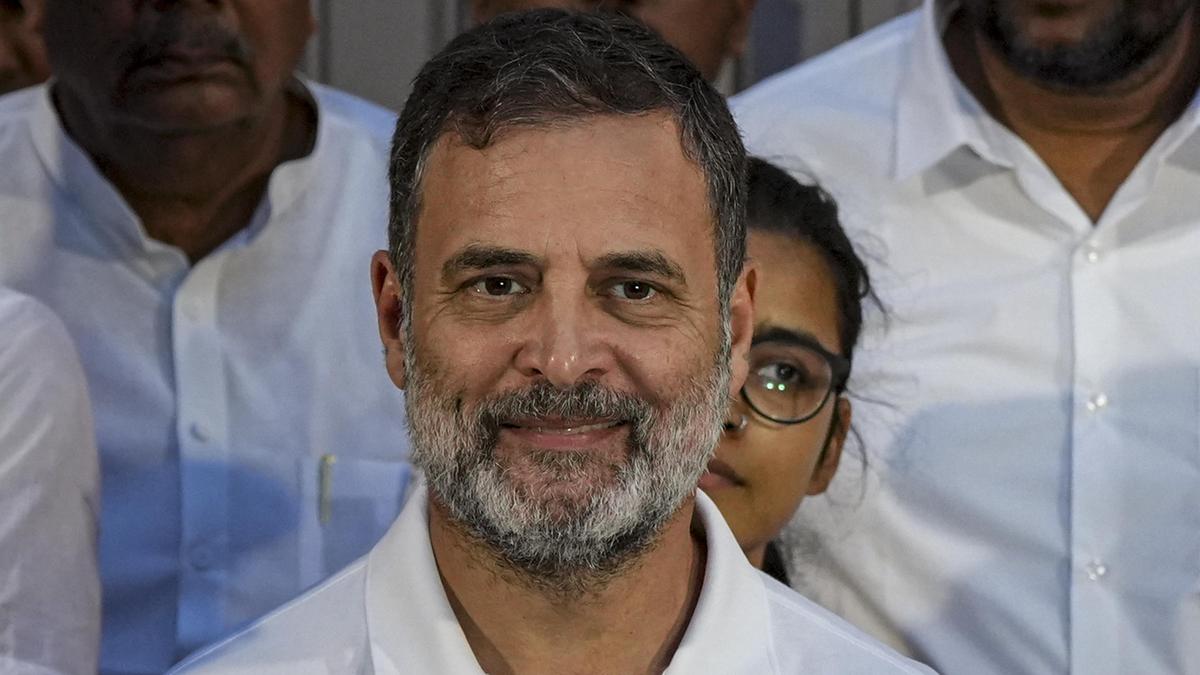
Chief Justice Surya Kant has formally rejected a request from Indian National Congress leader Rahul Gandhi for a personal meeting, according to correspondence that highlights the judiciary's commitment to maintaining distance from political interactions. The CJI's response emphasized the constitutional imperative for the judiciary to remain insulated from political entanglements and partisan considerations.
The refusal reflects a well-established principle within India's judicial system that senior judges must scrupulously avoid meetings or engagements that could compromise the appearance or substance of judicial impartiality. By declining the meeting, the CJI reinforced the institutional boundaries that separate the three branches of government, ensuring that the judiciary's independence—both real and perceived—remains uncompromised.
The CJI's letter articulated that while the judiciary respects all citizens and institutions, direct political meetings at the highest judicial level risk blurring constitutional lines and undermining public confidence in the courts' neutrality. This stance aligns with established conventions that govern judicial conduct, particularly for office holders responsible for safeguarding the independence of the entire judicial system.
The incident serves as a reminder of the delicate institutional balance that the Indian Constitution seeks to maintain. The judiciary's refusal to engage in political discourse, even at the request of senior political figures, reinforces the principle that the courts derive their legitimacy and authority from constitutional impartiality rather than from political relationships or proximity to those in power.