World · India Bureau
CJI emphasizes 'child in conflict with law' describes situation, not identity
Chief Justice of India has clarified that the term 'child in conflict with law' reflects a temporary circumstance rather than a permanent identity marker. The observation underscores concerns about how society perceives and treats young offenders within the justice system.
LSN India ·
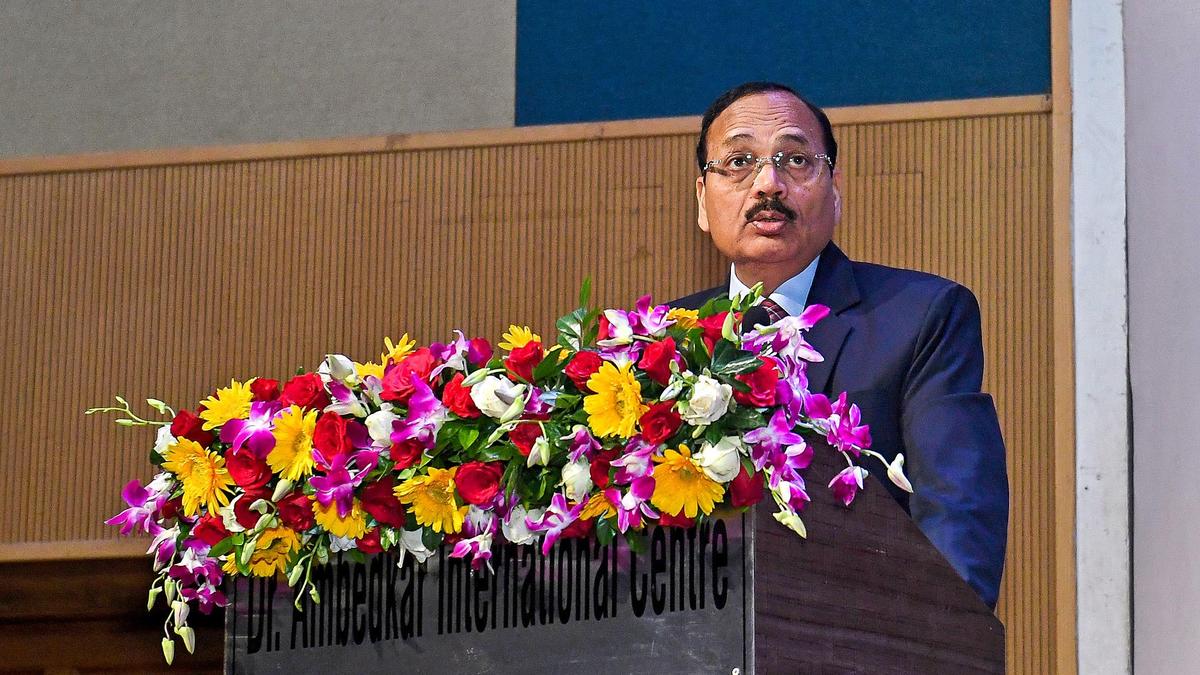
The Chief Justice of India has stressed that describing a young person as a 'child in conflict with law' should be understood as describing their immediate circumstances rather than defining their identity or future prospects.
The CJI's remarks come as part of ongoing discussions regarding juvenile justice and the rehabilitation of children who come into contact with the law. The emphasis on distinguishing between a temporary legal status and permanent identity reflects judicial concerns about stigmatization and its long-term impact on child offenders.
Highlighting the temporal nature of childhood offences, the CJI noted that while ten years may appear to be a short duration in the context of legislation, it represents more than half of a child's formative years. This observation underscores the critical importance of rehabilitation, education, and reintegration efforts within the juvenile justice framework.
The statement carries significant implications for how courts, law enforcement agencies, and society approach cases involving minors. It reinforces the principle that children should have meaningful opportunities for reform and reentry into society without permanent stigmatization, a cornerstone principle of modern juvenile justice systems across India.
These remarks align with India's commitment to the Convention on the Rights of the Child and the Juvenile Justice (Care and Protection of Children) Act, which prioritize rehabilitation over punishment for young offenders.