Politics · India Bureau
CJI's 'Not My Domain' Remark Drew Sharp Retort from Activist
Abhijeet Dipke, founder of Citizens for Justice and Peace, questioned Chief Justice Surya Kant's assertion that law and order matters fall outside the judiciary's purview, challenging whether similar arguments would be presented to the Prime Minister.
LSN India ·
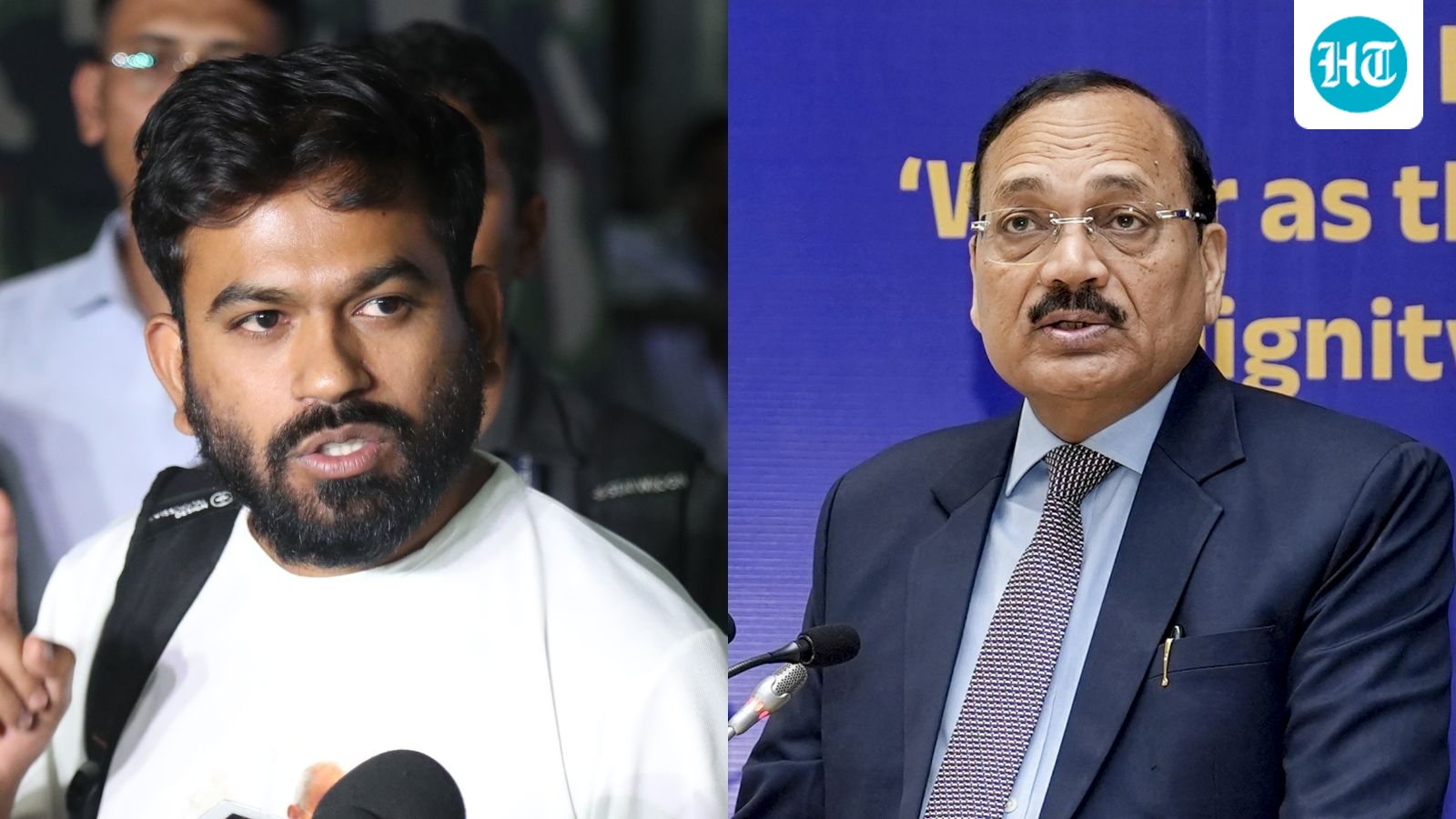
In a pointed exchange, activist Abhijeet Dipke responded with skepticism to Chief Justice of India Surya Kant's statement delimiting judicial authority over law and order matters. Dipke's remarks highlighted tension between civil society expectations and the judiciary's perceived boundaries in addressing governance issues.
The exchange centers on disagreements over the Supreme Court's role in scrutinizing executive action. Dipke pressed the top court on what he characterized as "inaction" regarding the Election Commission of India, suggesting the bench was abdicating responsibility on matters of constitutional significance.
Dipke's rhetorical question—whether the Chief Justice would present identical arguments about jurisdictional limitations to the Prime Minister—underscored concerns among activists that the judiciary applies different standards when evaluating governmental conduct depending on which branch is under examination.
The confrontation reflects broader debates within India's legal and civil society circles regarding judicial activism, separation of powers, and the Supreme Court's appropriate role in policing the electoral process and administrative accountability. The exchange suggests growing frustration among some quarters with what they view as judicial restraint at critical junctures of democratic governance.