World · India Bureau
CJP Protests Draw Smaller Crowds Than Earlier Political Demonstrations
Recent demonstrations against Chief Justice Gnaneshwar Kumar have failed to generate the mass participation seen in previous anti-government protests. Analysts attribute the disparity to differences in issue relevance, weak public connect, and social media activism not translating to street-level mobilization.
LSN India ·
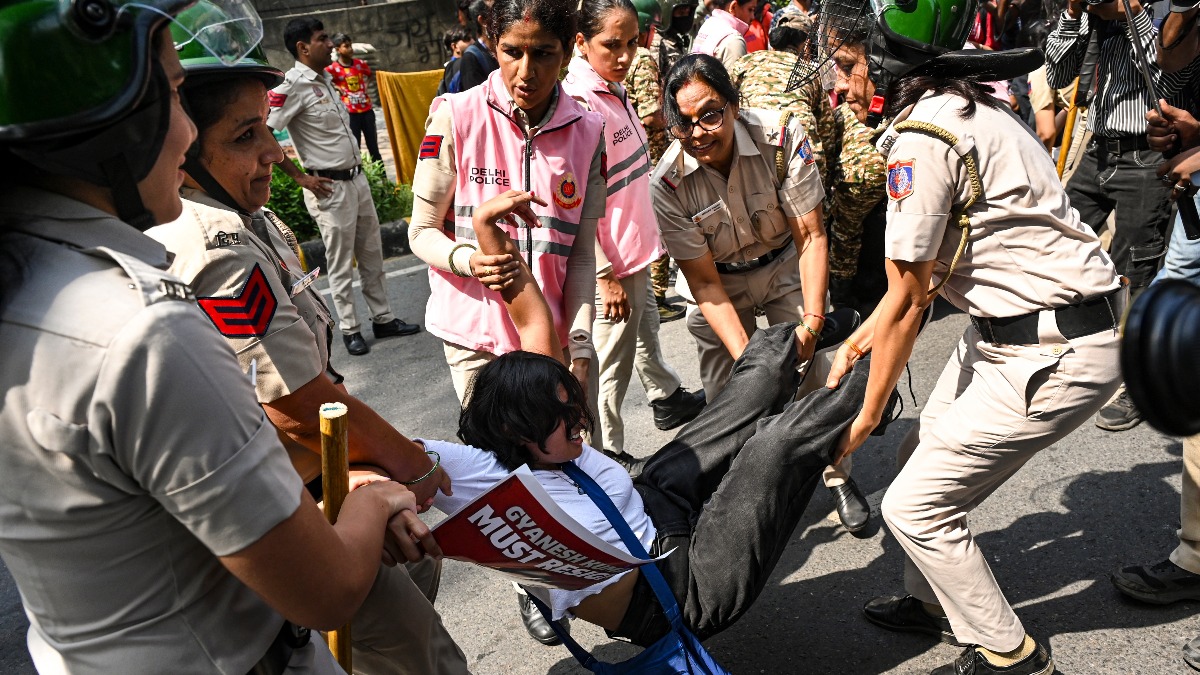
Demonstrations against Chief Justice Gnaneshwar Kumar have drawn significantly smaller crowds compared to earlier high-profile political agitations, raising questions about the factors determining public participation in street protests.
Observers note that the scale of current protests against the CJP stands in stark contrast to mass movements that mobilized larger populations against other political figures. Several factors appear to explain the difference in mobilization capacity, including the nature of issues involved, the extent to which concerns resonate with ordinary citizens, and the effectiveness of police crowd-control measures.
The disparity also highlights a growing disconnect between online activism and ground-level protest movements. While social media platforms have amplified messaging around the CJP controversy, this digital engagement has not substantially translated into sustained street-level demonstrations.
Political analysts suggest the outcome carries lessons for opposition parties and civil society organizations. They note that high-profile names and serious allegations alone do not necessarily galvanize public movements. Successful agitations require issues with direct relevance to people's daily lives and effective strategies to bridge digital activism with physical mobilization on the ground.