World · India Bureau
Clarifying dates for Maha Ashtami and Maha Navami in 2026 Navratri
Confusion surrounds the exact dates of Maha Ashtami and Maha Navami during this year's Shardiya Navratri celebrations. Knowing the correct lunar dates is essential for observing Kanya Pujan and special rituals dedicated to Goddess Durga.
LSN India ·
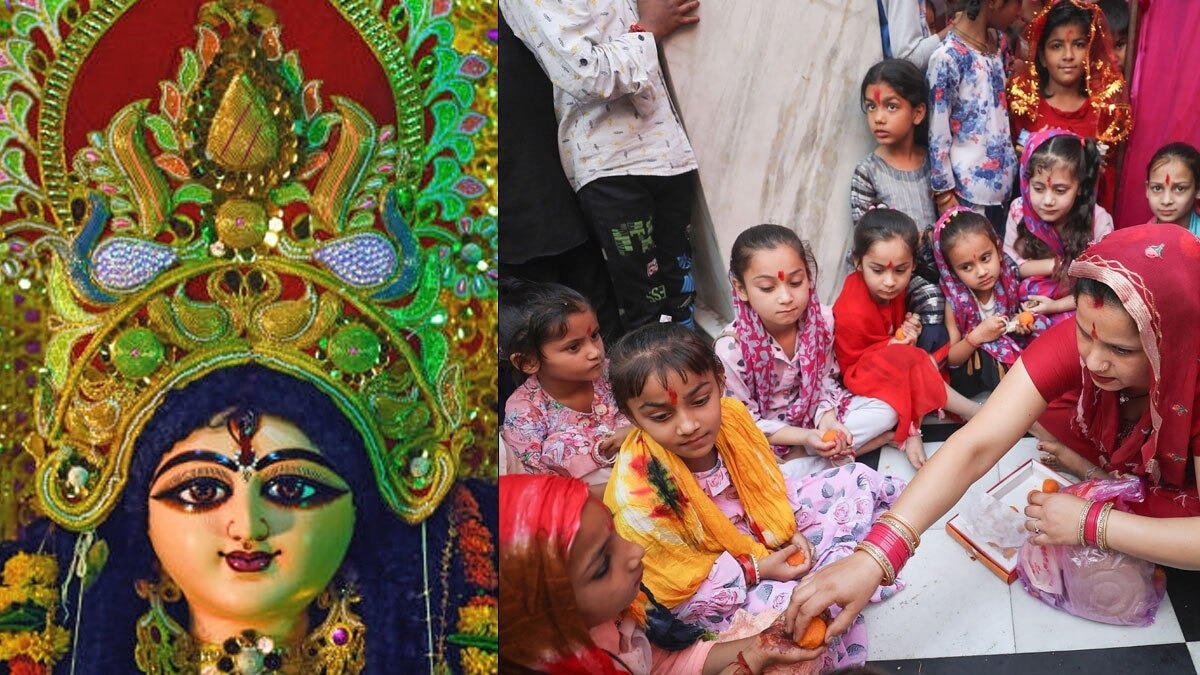
As Shardiya Navratri approaches in 2026, devotees across India are seeking clarity on the precise dates for two of the festival's most significant observances: Maha Ashtami and Maha Navami. The confusion around these dates underscores the importance of understanding the lunar calendar system that governs Hindu festivals.
Maha Ashtami, the eighth day of Navratri, and Maha Navami, the ninth day, are crucial occasions in the nine-day celebration dedicated to Goddess Durga. These days hold particular spiritual significance, with devotees performing Kanya Pujan—the worship of young girls representing the nine forms of the goddess—and conducting special rituals and fire ceremonies.
Accurate knowledge of these tithis, or lunar dates, is essential for those wishing to observe the festivals according to traditional practices. The dates can vary each year due to the differences between the lunar and solar calendars, which sometimes leads to confusion among observers. Religious scholars and calendar experts recommend consulting reliable Hindu calendar sources to determine the exact dates applicable to one's region.
Devotees are advised to verify the dates through established Hindu calendar guides or local temple authorities to ensure they perform their rituals and worship on the appropriate days. This ensures adherence to scriptural traditions and maximizes the spiritual significance of their observances during the Navratri period.