World · India Bureau
Classical dance should complement studies, says academic leader
A former university vice-chancellor has advocated for young people to pursue classical dance forms alongside their academic pursuits. The appeal comes amid growing concerns about the diminishing interest in India's traditional performing arts among the younger generation.
LSN India ·
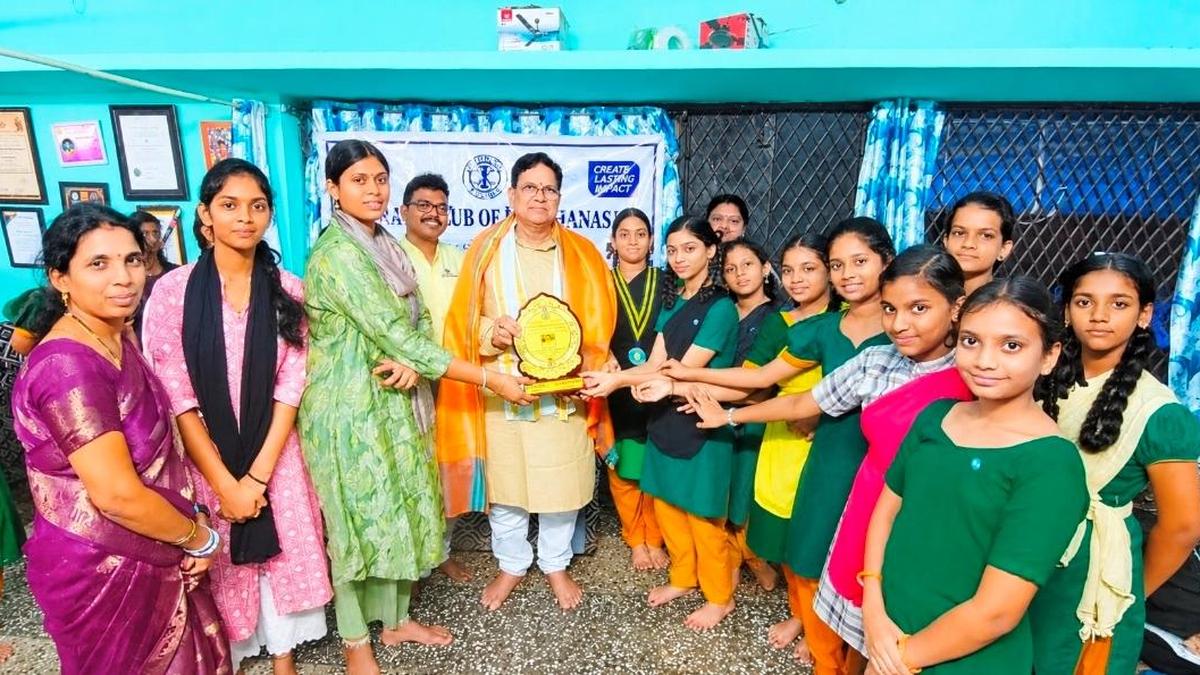
Classical dance traditions in India face an uncertain future as fewer students balance artistic training with formal education, according to academic and cultural observers. A former vice-chancellor has now joined calls for educational institutions to create space for aspiring dancers to nurture their skills without compromising their academic progress.
The remarks underscore a broader challenge confronting India's classical dance heritage, which encompasses diverse forms including Bharatanatyam, Kathak, Kathakali, and Odissi. These art forms require years of dedicated practice and mentorship, yet practitioners often find themselves navigating a competitive job market that places limited premium on classical training.
Educators and cultural leaders have increasingly emphasized that classical arts offer substantial benefits beyond aesthetic development, including improved discipline, physical fitness, and cognitive abilities. Integration of these pursuits within mainstream educational frameworks, they argue, could help preserve India's performing arts legacy while enriching students' overall development.
Institutions across India have begun experimenting with models that accommodate both rigorous academics and intensive arts training, though widespread adoption remains limited. The former administrator's advocacy reflects growing recognition that supporting classical dance requires systemic changes within the education sector to create sustainable pathways for talented young performers.