Politics · India Bureau
Climate ambitions, AI disruption dominate policy debate across Asia
Expert commentary highlights the widening chasm between environmental commitments and implementation challenges across South and Southeast Asia. Simultaneously, questions loom over artificial intelligence's impact on employment and India's emerging role in battery storage technology.
LSN India ·
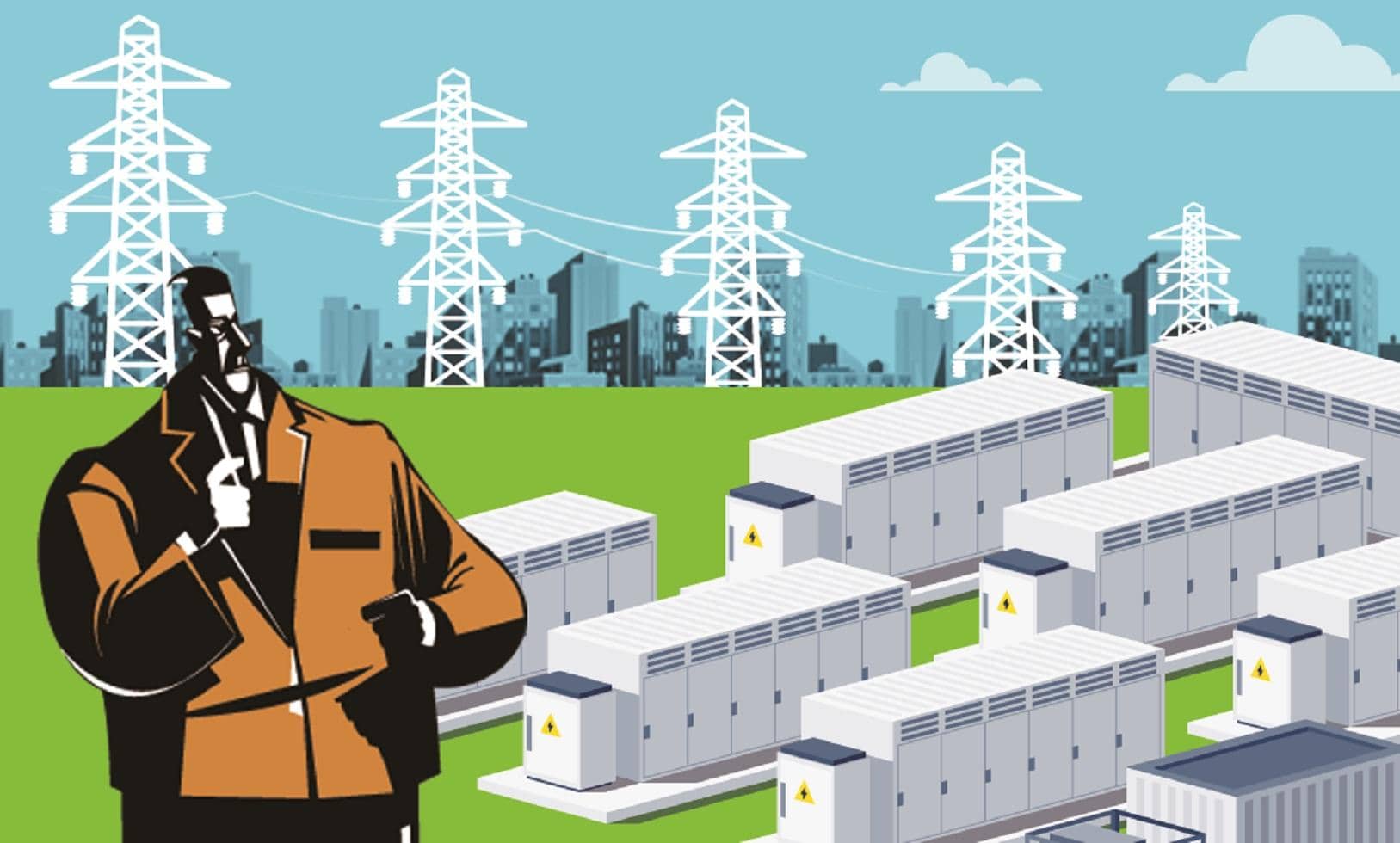
Policy experts are increasingly focusing on a persistent problem plaguing climate initiatives throughout the region: the substantial gap between stated ambitions and actual implementation. While governments have announced ambitious climate targets, translating these commitments into meaningful action remains fraught with practical and financial obstacles. The challenge reflects broader questions about political will and the resources required to achieve meaningful environmental transition across developing economies.
Artificial intelligence's disruption to labour markets has emerged as another critical concern for policymakers. As AI technologies advance rapidly, concerns are mounting about widespread job displacement, particularly in sectors employing large workforces across India and neighbouring countries. The pace of technological adoption outstrips efforts to retrain displaced workers and establish new employment pathways.
India's potential as a hub for battery storage technology presents a counterpoint to these challenges. As the energy transition accelerates globally, demand for advanced battery solutions continues to surge. India's position in battery manufacturing could become a significant economic opportunity, provided industrial capacity and research capabilities are adequately developed. Energy transition strategies increasingly depend on such storage innovations to manage renewable energy intermittency.
Beyond policy and technology, experts underscore the role of brand storytelling in shaping public perception of climate and energy initiatives. How governments and corporations communicate their environmental commitments significantly influences public support and investment flows. Effective narrative framing has become as important as technical solutions in mobilising stakeholder engagement for the long-term transformation required across the region.