World · India Bureau
Climate change amplified Cyclone Arnab's destructive power by third
A new study attributes approximately one-third of Cyclone Arnab's damage to anthropogenic climate change, with the storm's intensity significantly enhanced by warming atmospheric conditions at the time of landfall.
LSN India ·
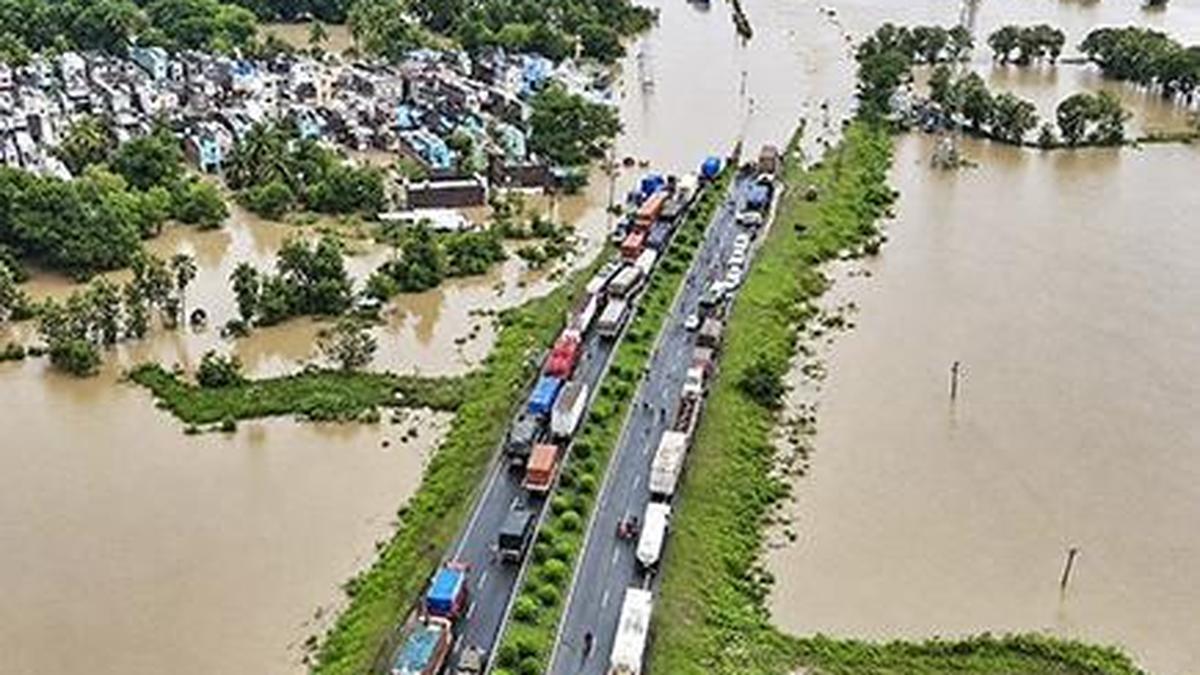
Research findings indicate that climate change substantially magnified the impact of Cyclone Arnab, one of the region's major tropical weather events. The study quantifies the phenomenon's contribution, showing that warming conditions increased the cyclone's maximum wind speeds by roughly 5 percent while intensifying rainfall rates in the eyewall region by 11 percent during landfall.
These incremental increases in meteorological intensity translated into considerably greater physical damage across affected areas. The cumulative effect of enhanced wind speeds and amplified precipitation represents a roughly 33 percent increase in overall destructive impact compared to what the cyclone would have produced under pre-industrial climate conditions.
The research underscores growing scientific consensus that tropical cyclones in South and Southeast Asian waters are becoming more severe as global temperatures rise. Warmer ocean surfaces and altered atmospheric conditions create an environment more conducive to rapid intensification and sustained strength in tropical systems.
The findings carry significant implications for disaster preparedness and climate policy in the region. As cyclone seasons continue, communities and governments face mounting pressure to strengthen early warning systems, enhance building codes, and implement comprehensive climate adaptation strategies to mitigate future losses from increasingly powerful storms.