World · World News Bureau
Climate change amplified Nepal's devastating monsoon floods, researchers conclude
Scientists attribute a significant role to climate change in triggering the catastrophic flooding that swept across Nepal, killing more than 1,400 people and leaving thousands missing. The disaster underscores the region's vulnerability to extreme weather intensified by global warming.
LSN World News ·
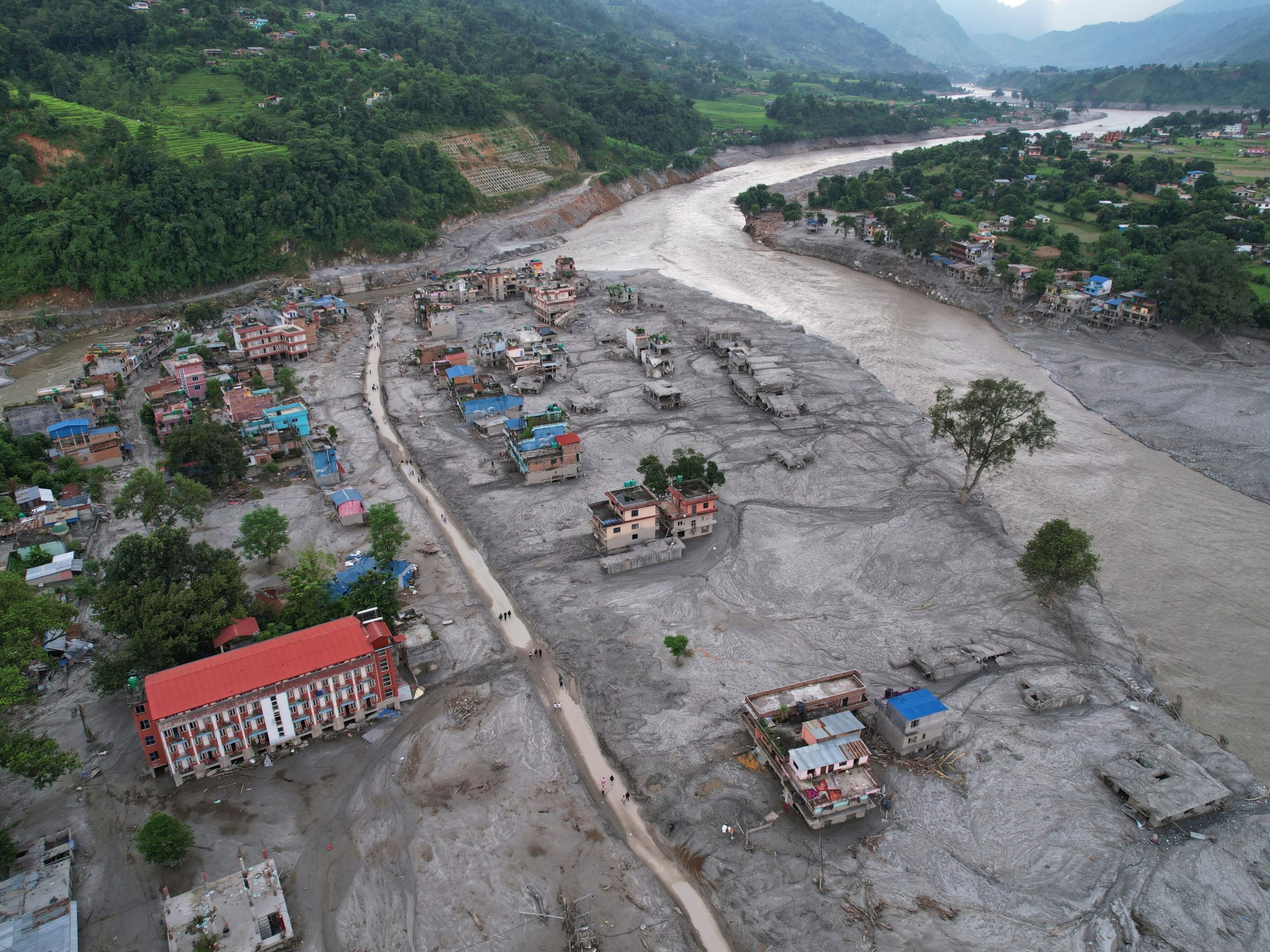
Research into the devastating floods that struck Nepal points to climate change as a major contributing factor, according to scientific analysis of the disaster. The extreme rainfall and flooding events that inundated the Himalayan nation resulted in a death toll exceeding 1,446 people, with at least 6,669 others reported missing.
Scientists studying the weather patterns that preceded the flooding have identified climate change as playing a substantial role in the intensity and occurrence of the disaster. Rising global temperatures are altering precipitation patterns across South Asia, making extreme rainfall events more frequent and severe, researchers noted.
Nepal's geographical position and topography make it particularly susceptible to monsoon-related flooding and landslides. The combination of steep terrain, deforestation, and climate-driven changes in weather systems has heightened the country's vulnerability to such catastrophic events.
The findings highlight the urgent need for climate adaptation measures and disaster preparedness infrastructure in the region. Experts warn that Nepal and neighboring countries must strengthen early warning systems and implement environmental protection strategies to mitigate future risks from extreme weather events linked to ongoing climate change.