World · India Bureau
Climate change could trigger more frequent glacier surges, study finds
Research indicates that heavy rainfall can dramatically accelerate glacier movement, potentially doubling the speed of ice flow. Scientists warn that increasing precipitation linked to climate change may fundamentally alter glacier dynamics across polar regions.
LSN India ·
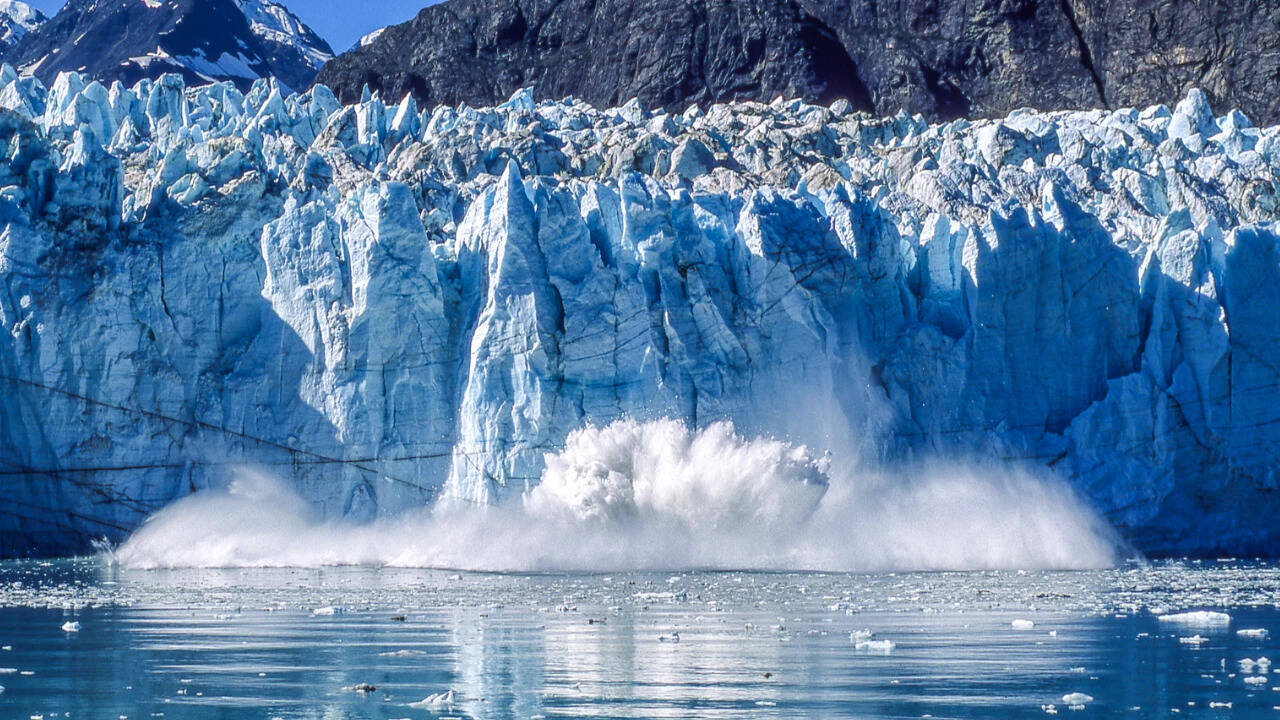
A new study examining glacier behavior has revealed that intense rainfall events can significantly amplify the movement of ice masses, with implications for understanding how climate change is reshaping Earth's frozen landscapes. Researchers monitoring Sít' Kusá Glacier in Alaska documented that heavy precipitation can double the glacier's flow speed, representing a marked departure from previously understood patterns of glacial movement.
The findings highlight the critical role that water drainage plays in governing glacier dynamics. When rainfall saturates glacier systems, the efficiency with which water drains through and beneath the ice fundamentally changes how the ice mass moves, either accelerating or decelerating its advance depending on drainage conditions.
During rainfall events, scientists observed that glacier surges—periods of rapid acceleration—lasted considerably longer than historical records indicated, suggesting that current climate patterns are already altering glacial behavior. The research underscores how glaciers respond sensitively to precipitation changes, a factor that becomes increasingly important as climate change intensifies rainfall patterns globally.
With climate models projecting continued increases in extreme precipitation events, researchers caution that more frequent and intense glacier surges could become commonplace. Such accelerations would have cascading effects on downstream water availability, sea level rise, and landscapes that depend on glacial stability, making the dynamics of rainfall-driven glacier movement a critical area for ongoing scientific investigation.