World · Malaysia Bureau
Climate change devastates world's largest penguin colony near Antarctica
A dramatic decline in the chinstrap penguin population on Zavodovski Island has stripped the volcanic landmass of its status as the world's largest penguin colony. The Antarctic region lost more than 680,000 penguins over a 14-year period, marking a significant ecological shift.
LSN Malaysia ·
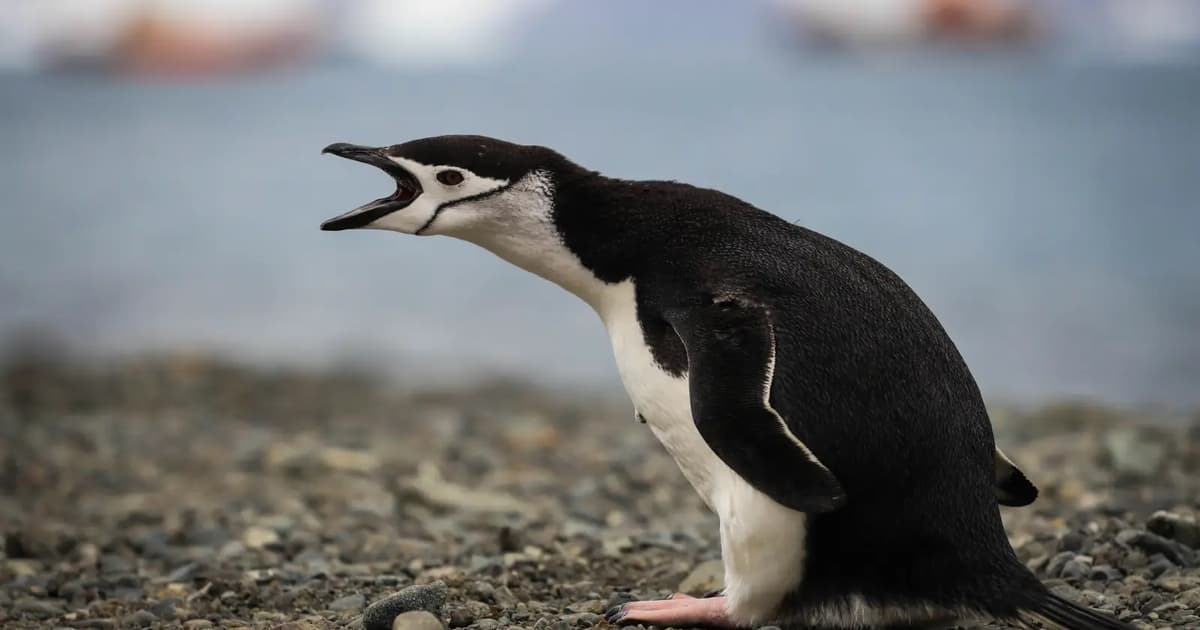
Zavodovski Island, a volcanic outcrop in the South Sandwich Islands near Antarctica, has experienced a catastrophic collapse in its chinstrap penguin population between 2011 and 2025, according to recent research findings. The island, which once hosted the planet's largest concentration of the species, saw more than 680,000 birds vanish during this timeframe, fundamentally altering the region's ecological landscape.
The dramatic population decline represents one of the most significant losses of seabird colonies documented in recent years. Researchers attribute the sharp downturn primarily to climate change impacts on the Southern Ocean, particularly shifts in sea ice patterns and ocean temperatures that have disrupted the availability of krill—the primary food source for chinstrap penguins.
The loss of Zavodovski's status as the world's foremost penguin colony underscores the vulnerability of Antarctic wildlife to rapid environmental changes. As ocean conditions continue to warm, penguin populations across the Antarctic region face mounting pressure, with breeding success rates declining and food scarcity becoming increasingly common.
The findings highlight the urgent need for greater international attention to climate change impacts on polar ecosystems. Scientists warn that without substantial action to reduce global emissions, penguin colonies throughout the Antarctic and sub-Antarctic regions face further severe decline in the coming decades.