Politics · India Bureau
Climate Change Fades as US Democrats Pivot to Trump, Economic Concerns
Young American voters who once championed climate action now prioritize other political issues, marking a significant shift in Democratic campaign messaging. Researchers have identified a phenomenon termed 'climate hushing' as environmental concerns recede from mainstream political discourse.
LSN India ·
Climate change, once a rallying cry for young voters in the United States, has notably diminished as a central campaign issue among Democratic politicians and their supporters. Charles Hughes, a college student in Massachusetts who chairs his state's College Democrats chapter, exemplifies this shift. Despite growing up in Colorado surrounded by evidence of environmental degradation—from childhood lessons about vanishing habitats to wildfires that darkened the skies—Hughes acknowledges that climate change rarely surfaces as a priority discussion topic among his peers today.
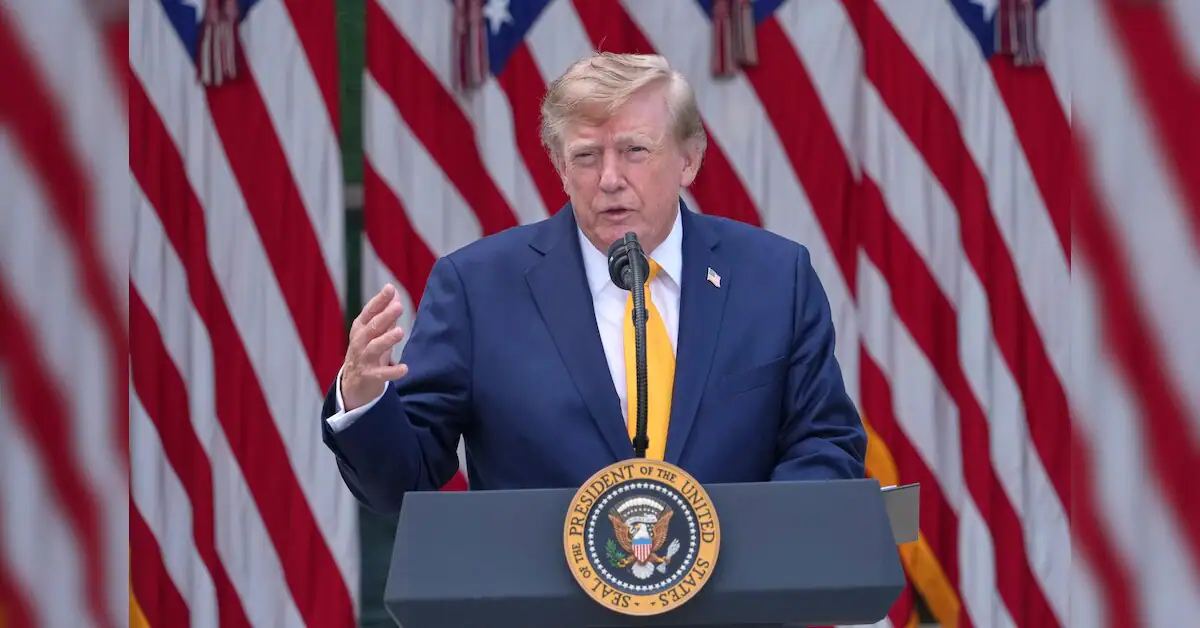
The transformation represents a stark reversal from just six years ago. During President Donald Trump's first term and the 2020 Democratic primary contests, environmental protection dominated political conversations. Party leaders wielded climate change as a powerful mobilising tool for younger voters, spurring mass protests and catalysing radical policy proposals such as the Green New Deal. These campaigns successfully channelled youthful activism into electoral momentum.
However, the national conversation has shifted dramatically, prompting researchers to identify what they term 'climate hushing'—a deliberate or unconscious de-emphasis of environmental issues in political discourse. Multiple factors appear to have contributed to this change, including competing economic anxieties, inflation concerns, and the renewed focus on Trump-related political battles that now dominate Democratic messaging strategies.
This recalibration of priorities signals broader challenges for the climate movement in maintaining political salience amid competing national crises and electoral calculations. Whether this represents a temporary tactical shift or a more fundamental realignment in political priorities remains unclear.