World · India Bureau
Climate change fuels glacier collapse disasters in Nepal-Tibet region
Scientists have identified five key factors behind devastating floods in Nepal-Tibet following a late August glacier and rockfall disaster in the Langtang Lirung mountains. Experts warn that climate change is intensifying conditions that increase catastrophic risk across the Himalayan region.
LSN India ·
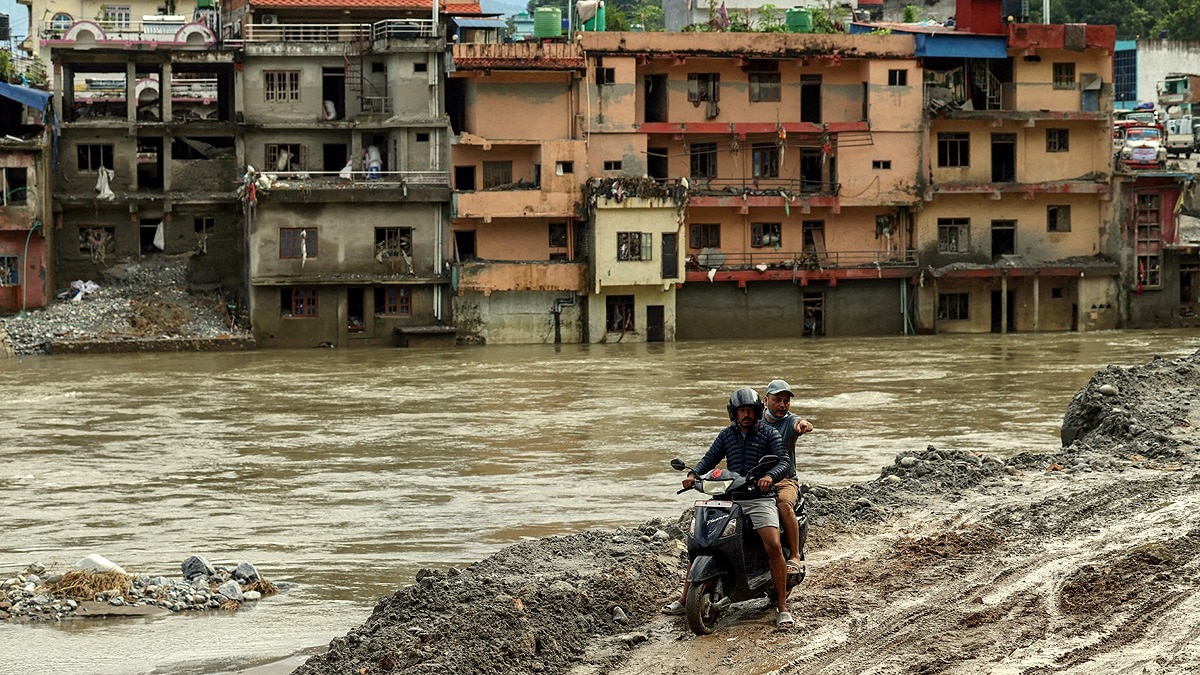
A catastrophic collapse of glaciers and rock formations at Langtang Lirung mountain in the Nepal-Tibet border region in late August triggered severe flooding that claimed approximately 1,400 lives, prompting urgent investigation into the disaster's root causes.
Scientific analysis reveals climate change as a primary driver behind the incident. Rising temperatures are accelerating permafrost thaw and thinning glacial formations across the Himalayas, creating unstable conditions that elevate disaster risk. The Langtang Lirung collapse exemplifies how warming trends are destabilizing mountain ecosystems that had remained relatively stable for centuries.
Researchers emphasize that the five underlying factors contributing to the disaster reflect interconnected climate and geological dynamics. Rapid glacier degradation, permafrost destabilization, increased water accumulation, steep terrain vulnerability, and weakened rock structures all converged to create conditions for catastrophic failure. The World Weather Attribution (WWA) network has issued warnings that such events will likely intensify without significant climate action.
The disaster underscores growing vulnerability across South and Southeast Asian mountain regions, where millions depend on glacier-fed water systems and stable slopes. Scientists are calling for enhanced monitoring systems and climate adaptation strategies to mitigate future risks in the fragile Himalayan environment.