World · Vietnam Bureau
Climate change heightened risk in deadly Nepal Himalayan flood
Scientists say warming temperatures destabilized mountain terrain, contributing to this week's catastrophic flash flood along the Nepal-Tibet border that claimed 165 lives. Experts warn such climate-driven disasters may become increasingly common in high-altitude regions.
LSN Vietnam ·
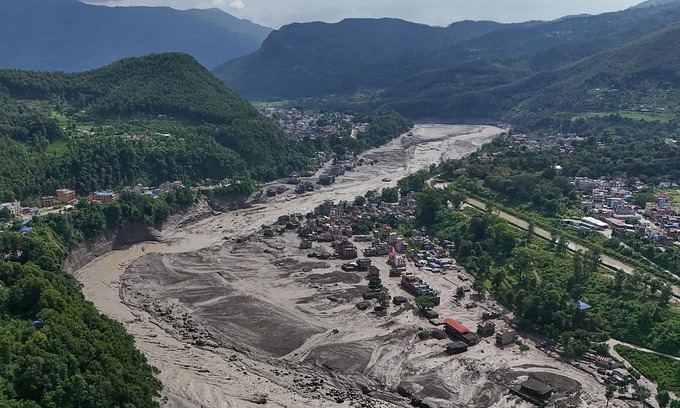
The devastating flash flood that swept through the Himalayan region this week, killing at least 165 people along the Nepal-China border, bears the hallmarks of climate change intensifying natural hazards in mountainous terrain, according to scientific analysis.
Rising global temperatures are destabilizing rock and ice formations in high-altitude zones, researchers say, creating conditions ripe for sudden, catastrophic events such as glacial outburst floods, landslides, and rock collapses. The warming climate weakens the structural integrity of mountain landscapes that have remained frozen for millennia, releasing accumulated water and debris with little warning.
The Nepal flood underscores growing vulnerabilities across the Himalayan region, where millions of people live in valleys and downstream areas exposed to these hazards. As climate change accelerates the melting and destabilization of high-mountain environments, scientists caution that similar disasters are likely to recur with greater frequency.
Nepal and neighboring countries in South Asia face mounting pressure to develop early warning systems and adaptation strategies to protect vulnerable communities. The disaster highlights how global climate trends translate into immediate, life-threatening risks for populations in regions already grappling with geographic challenges and limited disaster preparedness resources.