World · Singapore Bureau
Climate change heightened risk of deadly Himalayan flooding, experts warn
Scientists attribute this week's catastrophic flooding in the Nepal-Tibet border region, which claimed 165 lives, to climate-driven destabilisation of high-altitude rock and ice formations. The disaster underscores growing concerns about how global warming is triggering hazardous conditions in mountainous terrain across Asia.
LSN Singapore ·
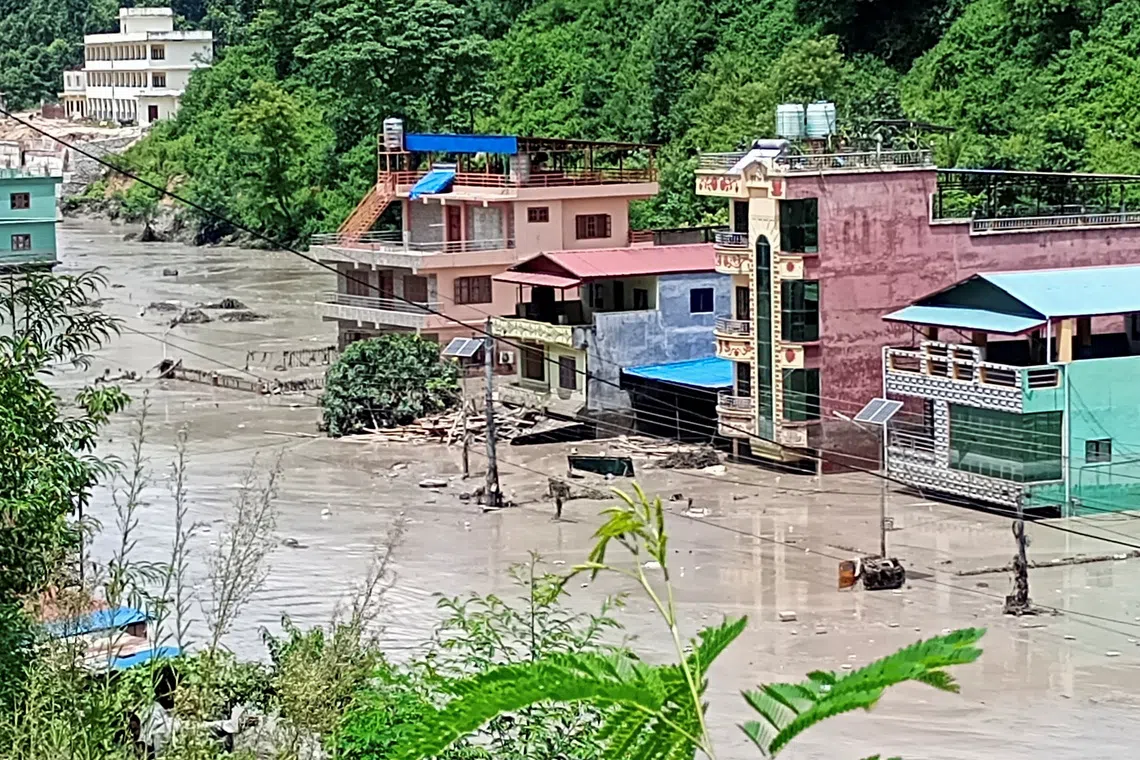
The devastating flood that struck the Himalayan border region between Nepal and China's Tibet this week has renewed focus on climate change as a key driver of natural disasters in high-altitude areas, according to experts monitoring environmental shifts across the region.
Scientists attribute the deadly deluge, which killed at least 165 people, to climate-induced changes that are destabilising rock formations and glacial ice at elevation. As global temperatures rise, warming in mountainous zones is creating unstable conditions that increase the likelihood of catastrophic failures, from glacial lake outburst floods to rockslides and avalanches.
The Himalayan region, which spans multiple countries and affects billions of people downstream, is particularly vulnerable to such climate-related hazards. Glaciers in the range are retreating at accelerating rates, while permafrost—frozen ground that helps stabilise slopes—is thawing as temperatures climb. These changes create cascading risks that can trigger sudden, violent releases of water and debris.
The incident serves as a stark reminder of the mounting environmental pressures facing South and Southeast Asia's mountainous regions. Experts caution that without urgent action to curb greenhouse gas emissions, similar disasters are likely to become more frequent and severe in coming decades, threatening communities across the Himalayas and beyond.