Politics · India Bureau
Climate change intensifying El Niño weather events, new study warns
A major scientific study indicates that El Niño phenomena are becoming significantly stronger due to human-induced climate change, with implications for extreme weather patterns across the globe. The research shows El Niño events are now over 36% more intense than in the pre-industrial era.
LSN India ·
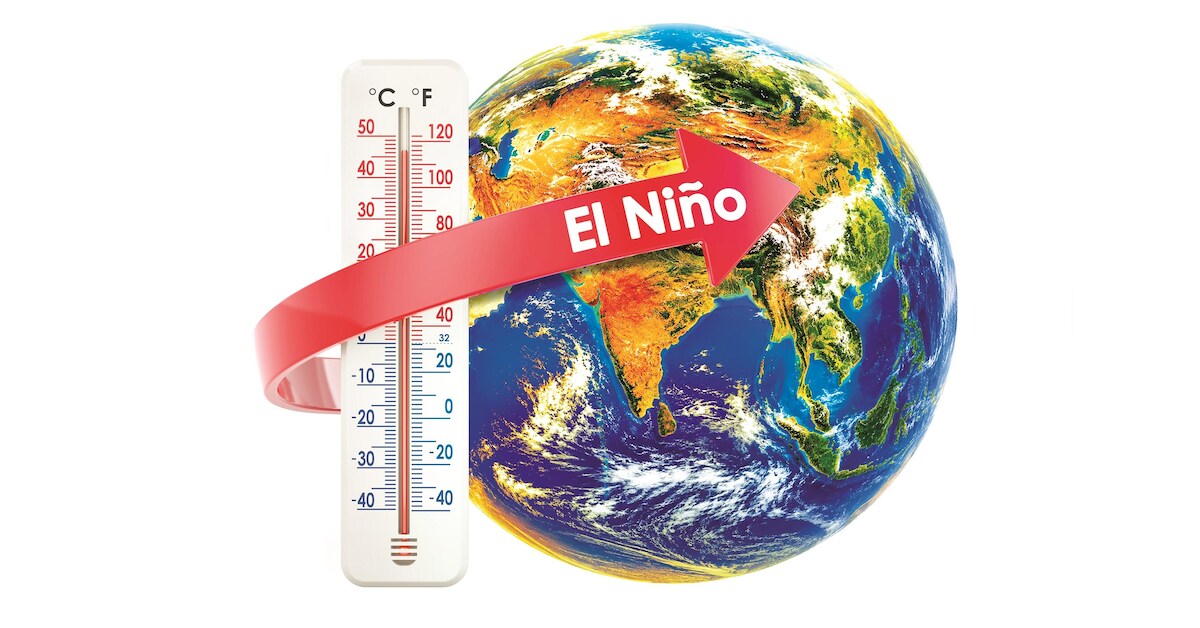
New research published in the journal Science reveals that El Niño events—periodic warming patterns in the equatorial Pacific that disrupt global weather systems—have intensified substantially since the mid-1800s. The study found El Niños are currently more than 36% stronger than their pre-industrial counterparts, with a concerning 16% increase occurring in just the past four decades, indicating an accelerating trend driven by human-caused climate change.
The findings carry particular significance as a powerful El Niño that emerged several months ago is forecast to become the strongest on record in the coming months. These climatic events trigger cascading impacts worldwide, including severe heat waves, flooding in certain regions, and droughts elsewhere, potentially inflicting trillions of dollars in economic damage.
Scientists emphasize that stronger El Niños amplify climate-related hazards and extreme weather events on a global scale. The intensification stems from the underlying warming of the planet caused by greenhouse gas emissions, fundamentally altering the dynamics of these naturally occurring climate patterns. Researchers conducted detailed analysis of historical climate data to establish the connection between anthropogenic climate change and the enhanced strength of El Niño phenomena.
The research highlights growing concerns about how climate change is not merely raising average global temperatures but is also magnifying the intensity of natural climate oscillations. As El Niño events grow more powerful, governments and communities across South and Southeast Asia—regions highly vulnerable to monsoon disruptions and extreme weather—face mounting pressure to strengthen climate adaptation and disaster preparedness measures.