World · World News Bureau
Climate change opens Greenland waters to migrating whale populations
Retreating Arctic sea ice is creating new feeding grounds in Greenland's waters, allowing large whale species to expand their range into previously inaccessible regions. The shift underscores the cascading ecological impacts of rapid climate change in polar environments.
LSN World News ·
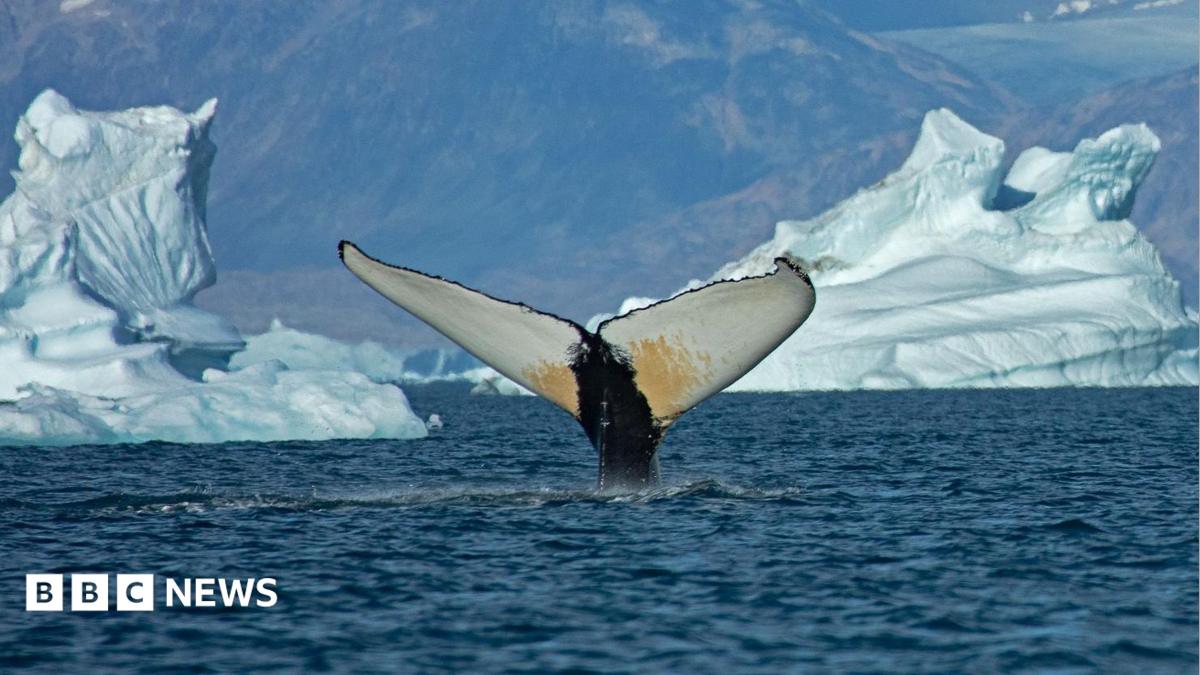
Melting sea ice in the Arctic is reshaping marine ecosystems around Greenland, with giant whale species moving into waters that have been largely unavailable to them due to extensive ice coverage. As climate change accelerates the retreat of seasonal ice, these marine mammals are gaining access to productive feeding areas that traditionally remained beyond their migration routes.
The opening of these new habitats is enabling whales to engage in intensive feeding activities, taking advantage of abundant food sources in waters newly exposed to seasonal thaw. Marine biologists attribute the shift to the broader warming trend affecting the Arctic, where average temperatures continue to rise substantially above pre-industrial baselines.
The movement of whale populations into Greenland's waters represents one of the most visible signs of ecological disruption in the region. Scientists are monitoring the long-term implications of these range expansions, examining how changing ice dynamics may alter established migration patterns and breeding behaviors across multiple whale species.
The phenomenon also highlights the interconnected nature of climate impacts across Arctic ecosystems. As ice disappears, the entire structure of polar marine food webs undergoes transformation, with consequences extending beyond large marine mammals to fish populations and other organisms dependent on specific ice-based conditions.