World · World News Bureau
Climate change opens Greenland waters to whale migrations
Receding Arctic sea ice is creating new feeding grounds in Greenland, attracting large whale populations to regions previously blocked by frozen conditions. The shift underscores the broader ecological impacts of rapid climate warming in polar regions.
LSN World News ·
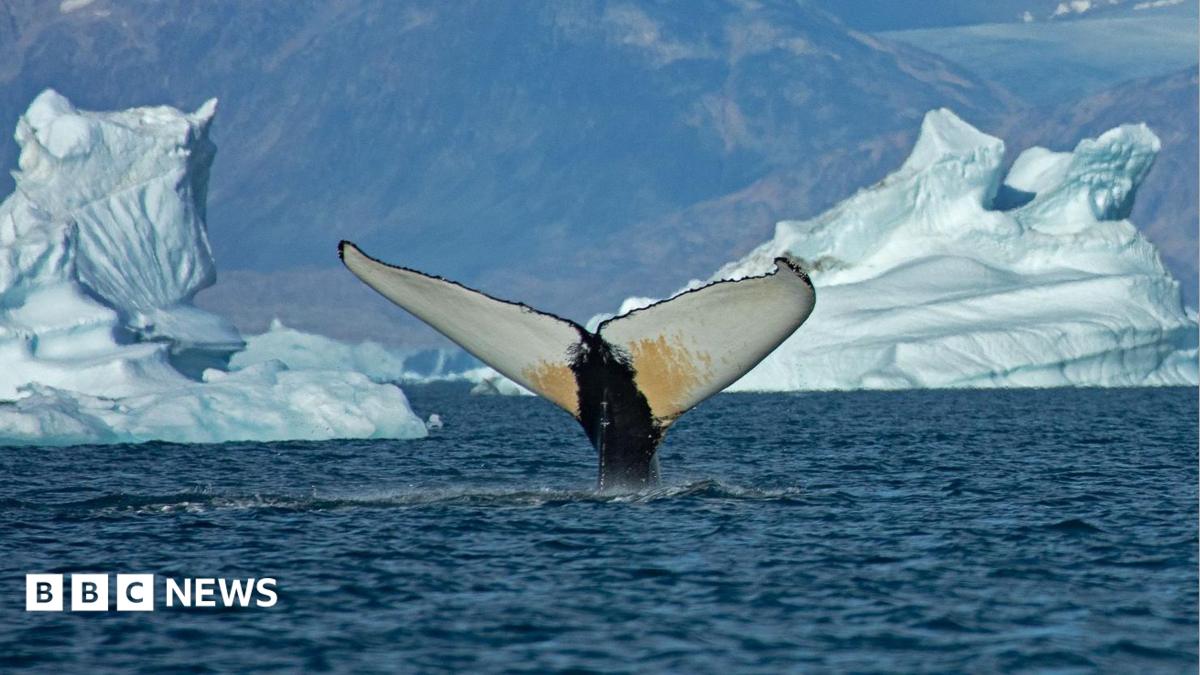
Melting sea ice around Greenland is fundamentally altering marine ecosystems, allowing large whale species to access feeding grounds that have been inaccessible for decades. As temperatures rise and ice coverage retreats, previously blocked waterways are opening seasonally, enabling whales to undertake extensive feeding operations in nutrient-rich Arctic waters.
The movement into Greenlandic waters represents a significant shift in whale migration patterns. Species accustomed to traditional feeding routes are expanding their ranges northward and into previously frozen territories, where the absence of ice now permits sustained foraging operations during productive months.
Scientists attribute the phenomenon directly to climate change and the accelerating loss of Arctic sea ice. The ecological consequences extend beyond whale populations, as shifting marine mammal distributions can affect entire food chains and alter the balance of Arctic ecosystems that have remained relatively stable for generations.
The opening of new whale habitats in Greenland illustrates the cascading environmental changes accompanying rapid polar warming. While increased feeding opportunities may benefit certain whale populations in the short term, the underlying causes—unprecedented ice loss and ocean temperature changes—signal broader destabilization of one of Earth's most sensitive ecosystems.