World · World News Bureau
Climate change set to disrupt aviation industry with extreme weather
Rising temperatures and intensifying storms threaten to increase flight delays and diversions across global airways. Industry observers warn that passengers may need to prepare for more frequent service disruptions as climate impacts accelerate.
LSN World News ·
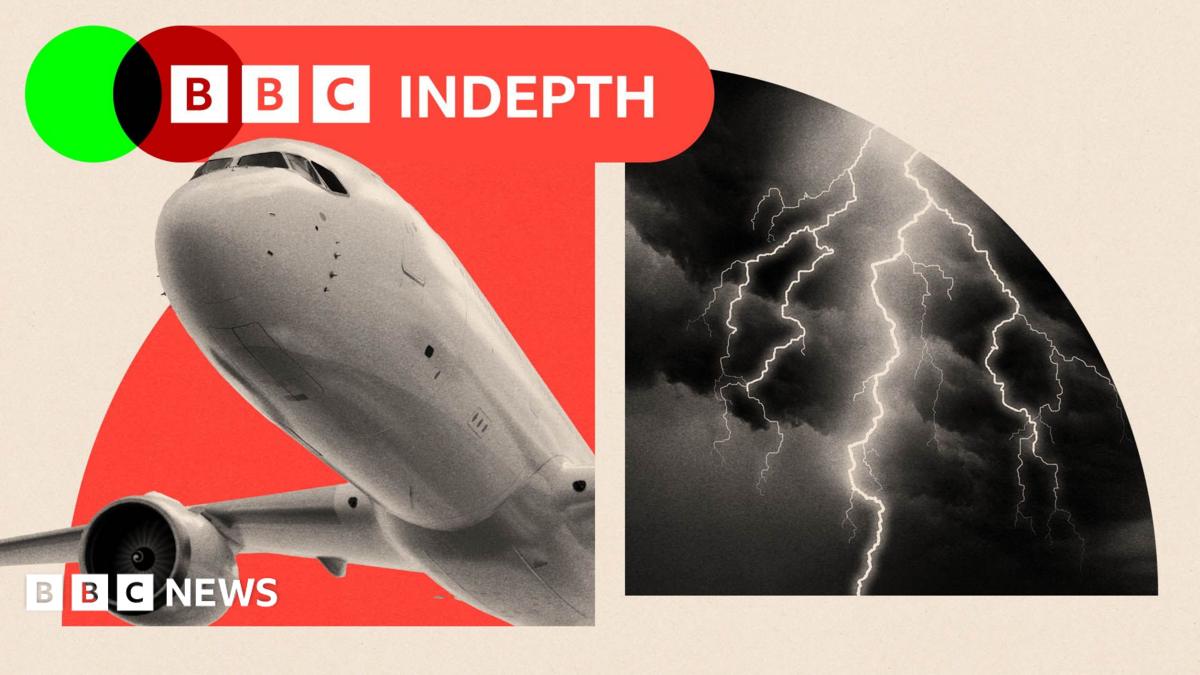
Aviation authorities worldwide are grappling with the operational challenges posed by an increasingly volatile climate, with forecasts suggesting significant disruptions to air travel in coming years. Extreme weather events—including severe turbulence, intense thunderstorms, and temperature fluctuations—are expected to become more frequent and severe, compelling airlines to alter flight paths, reduce speeds, or seek alternative routes.
The cascading effects extend beyond passenger inconvenience. Heat waves have already forced some airports to reduce flight schedules during peak temperatures, as runways require longer distances for safe takeoffs and landings. Meanwhile, changing wind patterns and jet stream behavior create additional unpredictability in flight planning and fuel consumption calculations.
Industry analysts note that adaptation will require substantial investment in aircraft technology, airport infrastructure, and operational protocols. Airlines are exploring measures including upgraded weather forecasting systems, enhanced aircraft capabilities, and revised scheduling practices to mitigate climate-related disruptions.
Experts acknowledge that while technological improvements may help cushion some impacts, passengers should prepare for a new operational reality. The question facing the aviation sector is not whether disruptions will increase, but how quickly the industry can adapt to maintain service reliability in an increasingly unstable atmospheric environment.