World · Bangladesh Bureau
Climate crises increasingly threaten girls' safety, new research reveals
A comprehensive study has found that environmental disasters and climate-related shocks disproportionately endanger girls across South and Southeast Asia, pushing them toward poverty, exploitation, and educational setbacks.
LSN Bangladesh ·
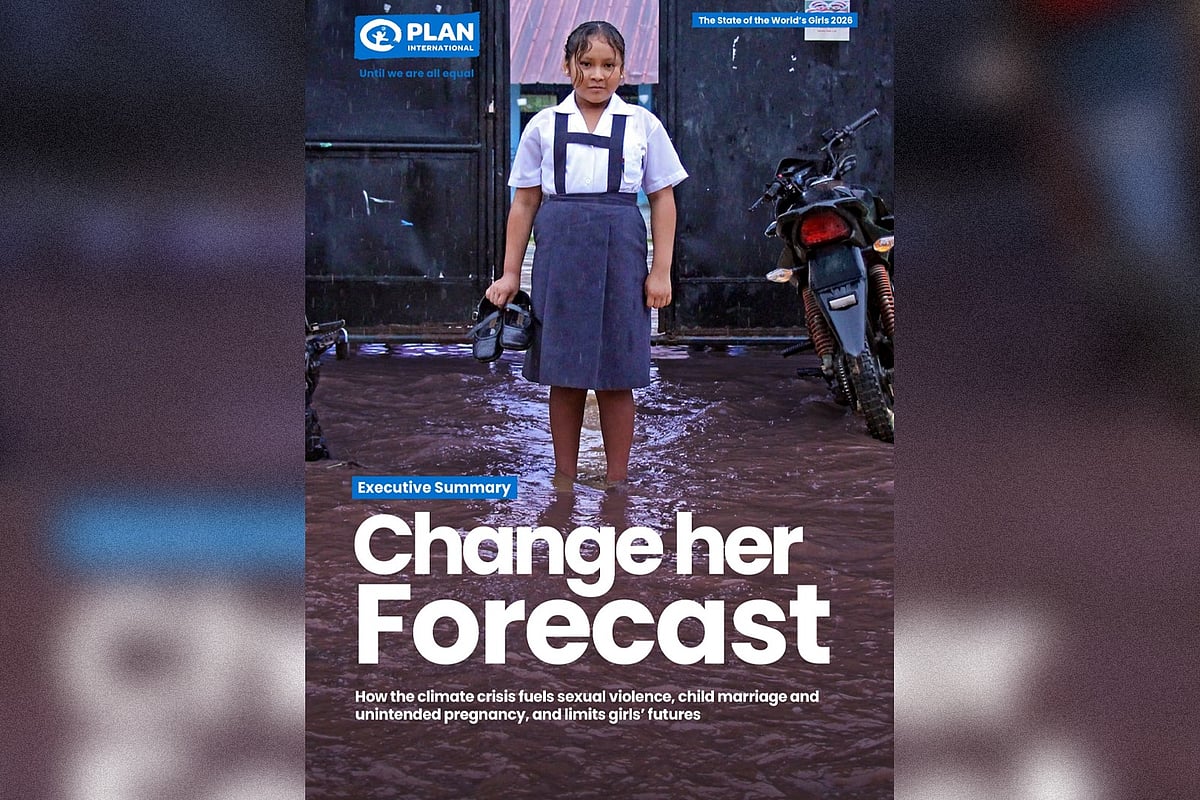
Girls face escalating risks from climate-related disasters that extend far beyond immediate physical dangers, according to findings from recent research examining the intersection of climate change and gender vulnerability in the region.
The study highlights how environmental crises—including floods, droughts, and severe weather events—create cascading consequences for girls. When families face resource scarcity following climate shocks, girls are often withdrawn from school, forced into early marriage, or exposed to trafficking and labor exploitation. These outcomes stem from traditional gender roles and economic pressures that intensify during periods of climate-induced hardship.
Researchers found that girls in rural and low-income communities face the most acute risks, as climate impacts directly threaten food security and family livelihoods. The compounding effects of climate stress on household finances frequently result in girls bearing disproportionate burdens through increased domestic responsibilities and reduced access to education and healthcare services.
The findings underscore the need for climate adaptation strategies that specifically address gender vulnerabilities. Experts recommend integrating girl-centered protections into disaster preparedness plans, strengthening economic resilience in vulnerable communities, and ensuring girls maintain educational access during climate-related crises. Without targeted interventions, they warn, climate change will continue deepening gender inequality across the region.