World · Bangladesh Bureau
Climate crisis threatens mass displacement across South Asia, warns UN
The United Nations has warned that millions of people across South Asia face forced migration as climate change intensifies environmental pressures on the region. Vulnerable populations in low-lying and drought-prone areas are most at risk from rising sea levels, flooding, and changing weather patterns.
LSN Bangladesh ·
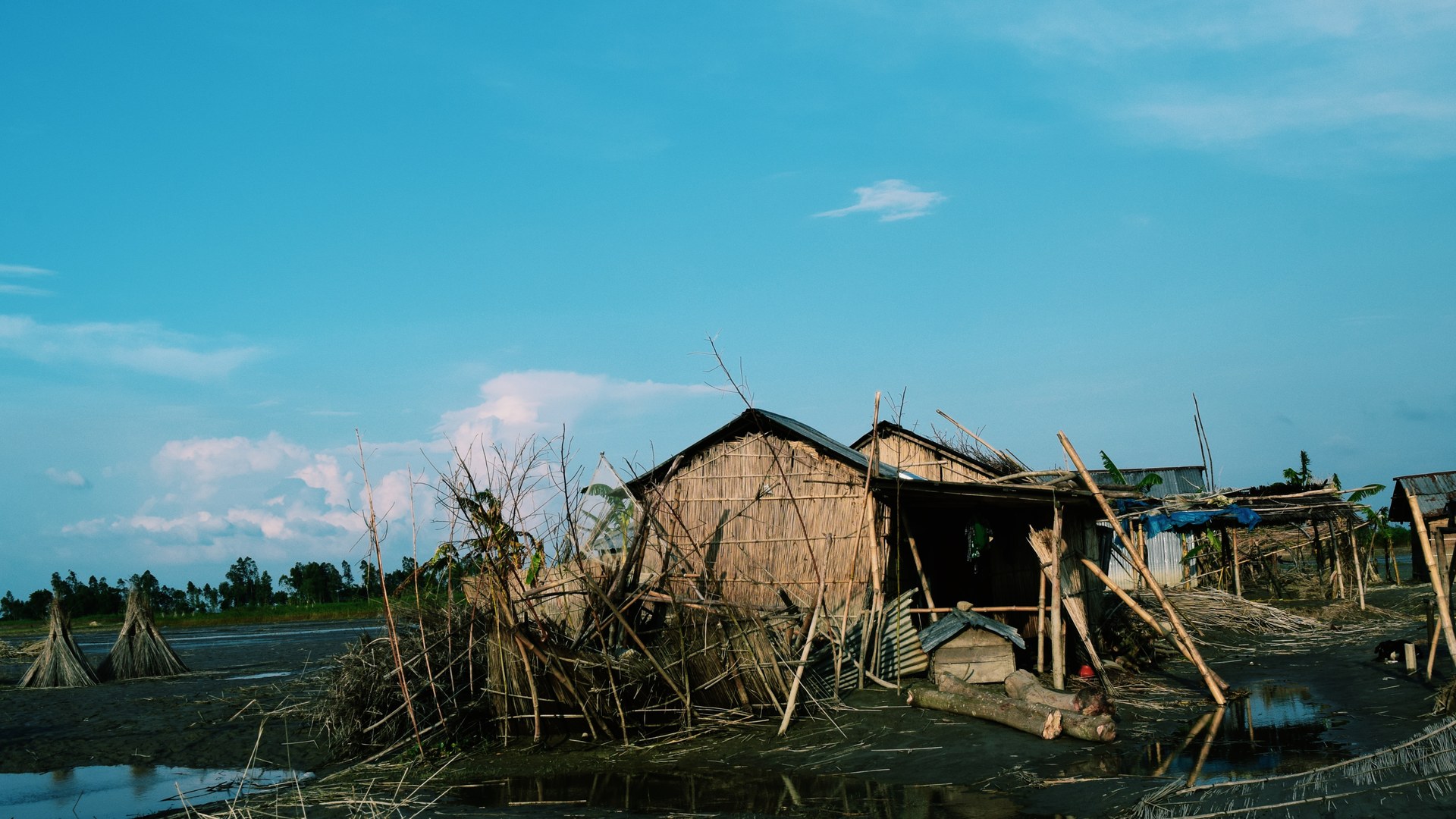
Climate change poses an unprecedented threat to South Asia's stability, with the UN cautioning that large-scale population displacement could become unavoidable without urgent mitigation efforts. The region, home to some of the world's most densely populated nations, faces compounding environmental challenges including sea-level rise, erratic monsoons, and glacier melt that threaten livelihoods and food security.
Bangladesh, with its extensive delta systems and low-lying coastal plains, is particularly vulnerable to these climate impacts. Rising sea levels threaten to submerge significant portions of inhabited land, while increased flooding and salinity intrusion endanger agricultural productivity and force communities to abandon their homes.
Beyond Bangladesh, the broader South Asian region faces mounting pressure. Drought-affected areas across India and Pakistan are already experiencing agricultural stress, while mountain communities dependent on glacier-fed water systems confront dwindling water resources. These interconnected crises are expected to create waves of climate refugees both within countries and across borders.
The UN's warning underscores the need for comprehensive regional climate adaptation strategies, including infrastructure investment, livelihood diversification, and international cooperation. Experts stress that without decisive action to reduce emissions and build climate resilience, the projected displacement figures could strain social stability and exacerbate existing tensions across South Asia.
Photo: A flood-hit settlement on char land along the Jamuna River in Sariakandi, Bogura district, Bangladesh, August 2016. TausifAlHossain via Wikimedia Commons (CC BY-SA 4.0).