Business · India Bureau
Climate risks to Indian agriculture intensify food security concerns
A comprehensive analysis of climate and ecological threats to Indian farming highlights mounting pressures on crop yields and food prices. The report charts a course toward sustainable agricultural practices to bolster resilience.
LSN India ·
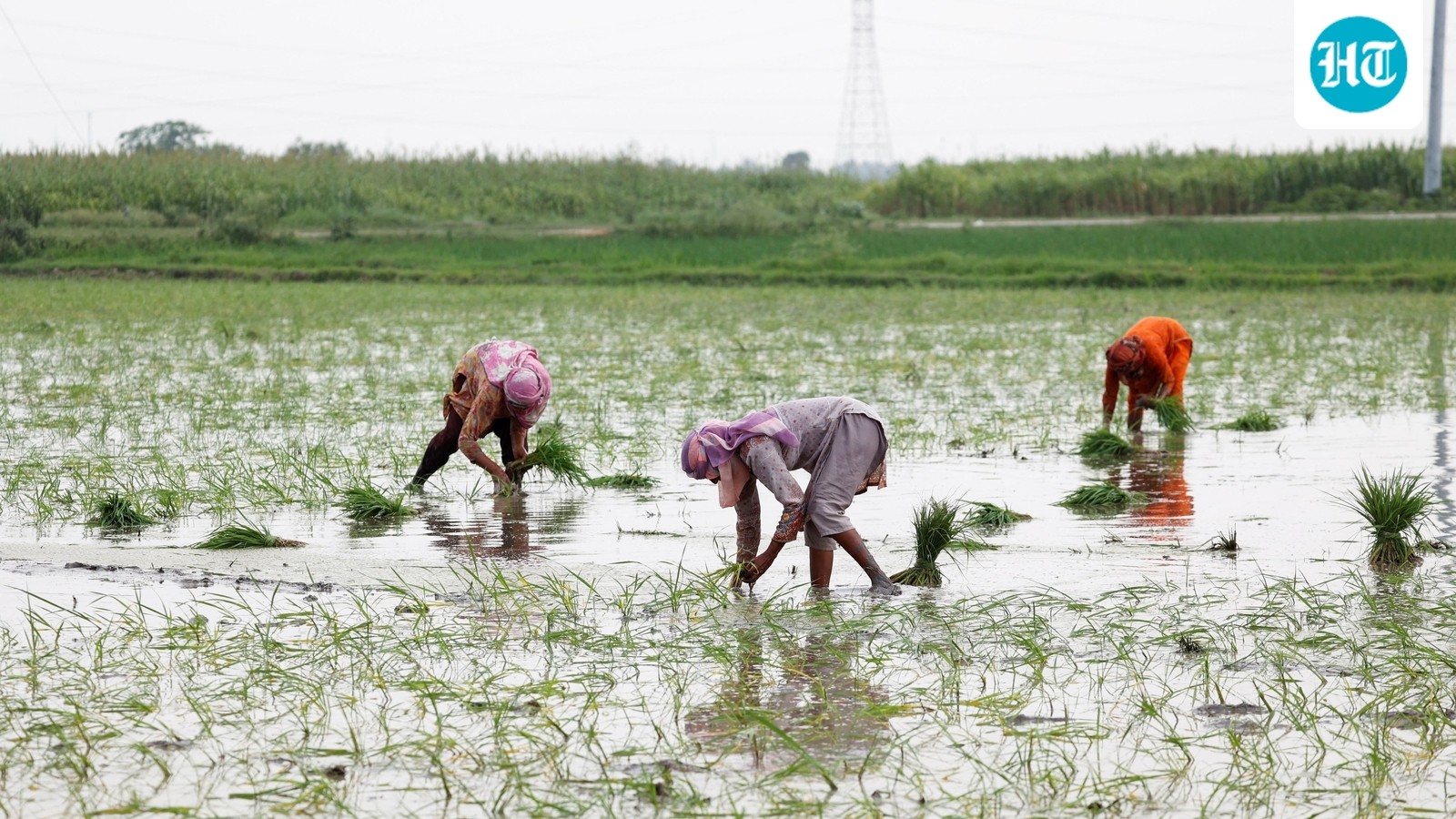
India's agricultural sector faces escalating risks from climate change and environmental degradation, with implications for food availability and consumer prices across the nation, according to consolidated research examining the intersection of climate science and farming systems.
The analysis synthesizes existing evidence on how shifting weather patterns, soil degradation, water scarcity, and ecological stress are undermining productivity in India's farming heartlands. These pressures threaten to constrain domestic food production at a time when demand continues to rise with population growth, potentially driving inflation in essential commodities.
The research identifies agroecological approaches as a critical pathway forward, emphasizing farming methods that work with natural systems rather than against them. These include soil health restoration, water conservation techniques, crop diversification, and integration of livestock and forestry with crop production.
Experts argue that transitioning toward sustainable agricultural practices offers dual benefits: building resilience against climate impacts while reducing the sector's environmental footprint. Implementation would require coordinated efforts across policy, extension services, and farmer training to achieve widespread adoption.
The findings underscore the urgency of addressing climate and ecological vulnerabilities in Indian agriculture to ensure food security and price stability for the country's population.