World · India Bureau
Climate shifts, not invasive species alone, drive ecological changes
Environmental experts across South Asia are reconsidering how to tackle invasive plant and animal species, suggesting that underlying changes to climate and soil conditions may be the real drivers of ecological disruption. Removing acres of invasive growth offers measurable results, but may distract from addressing the fundamental environmental transformations reshaping the subcontinent.
LSN India ·
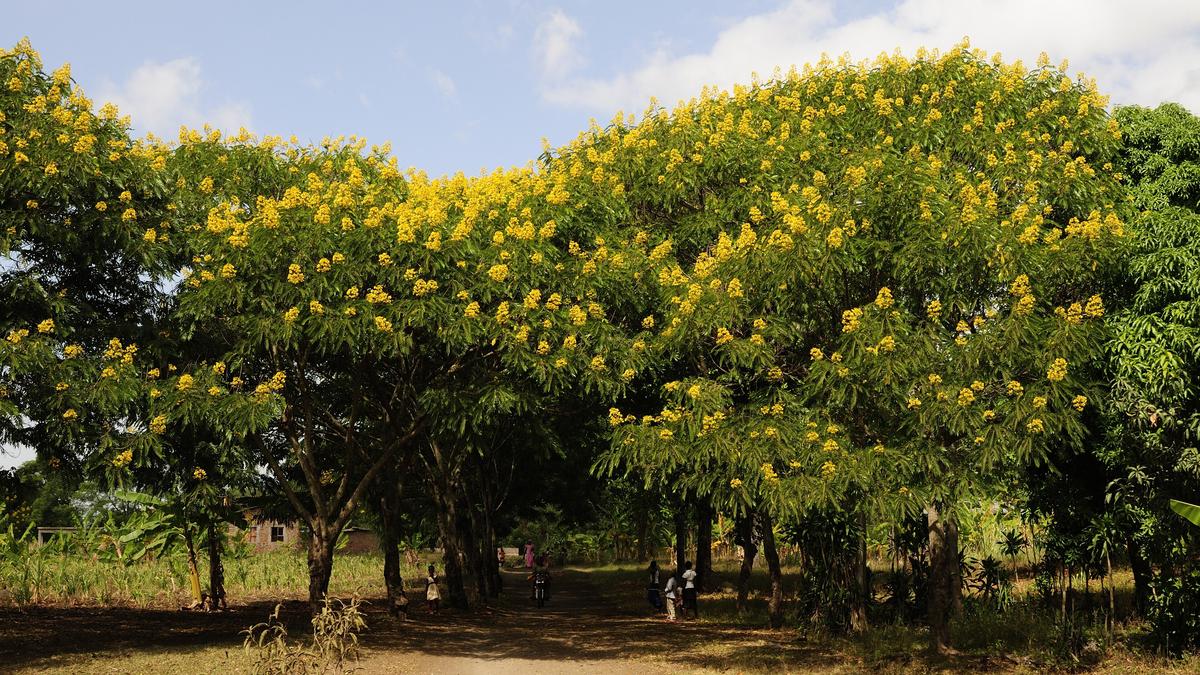
Conservation efforts across India and South Asia have long focused on removing invasive alien species, with agencies celebrating the acreage cleared and species eradicated. Yet scientists and environmental managers are increasingly questioning whether this approach addresses the root cause of ecological imbalance, or merely treats symptoms of deeper environmental change.
Climate patterns across the subcontinent are shifting, altering moisture regimes and soil chemistry in ways that create conditions favourable for non-native species to take hold. Where monsoon patterns weaken, where groundwater depletes, or where soil composition changes due to agricultural practices and warming temperatures, invasive species often find fertile ground. These underlying environmental transformations are far more difficult to quantify than the physical removal of invasive plants and animals.
Experts warn that the current focus on invasive species removal, while producing tangible metrics and justifying conservation budgets, may inadvertently divert attention and resources from the systemic environmental changes reshaping ecosystems across the region. Managing invasive species without simultaneously addressing climate adaptation and soil degradation risks creating a cycle where removed species return, or new invasives establish themselves as conditions continue to shift.
A more comprehensive approach would integrate invasive species management with broader climate resilience strategies, including restoration of natural water cycles, soil conservation, and ecosystem adaptation planning. Such integrated efforts remain underfunded and face significant implementation challenges across South Asia's diverse landscapes and jurisdictions.