Business · World News Bureau
Climate shifts threaten Indonesia's vital coffee sector
Erratic weather patterns and changing growing conditions are placing significant pressure on Indonesia's coffee industry, one of the world's largest producers. The challenges threaten both economic output and the livelihoods of millions dependent on the crop.
LSN World News ·
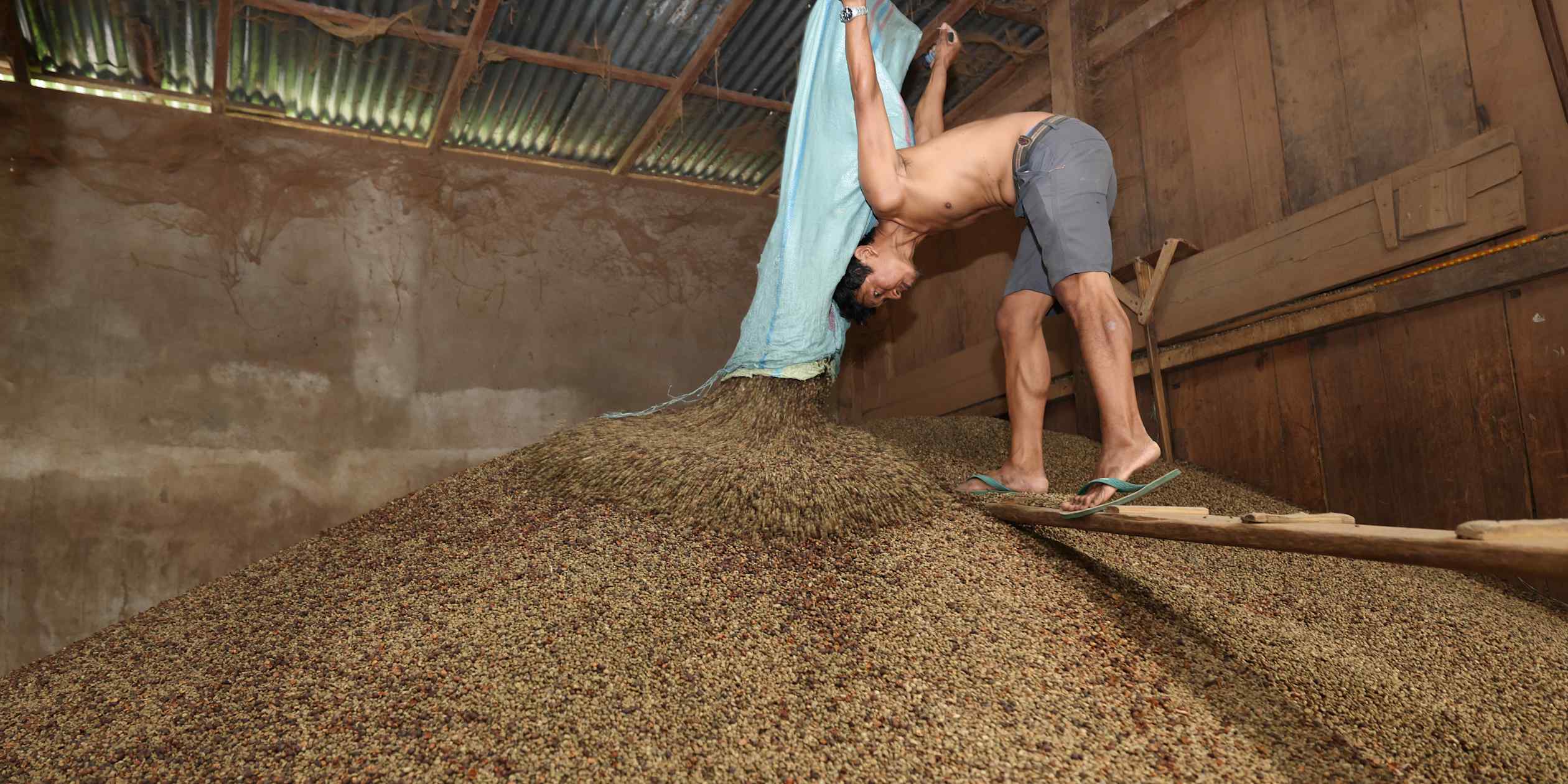
Indonesia, a leading global coffee producer, faces mounting threats from climate variability that is reshaping the agricultural landscape across major growing regions. Rising temperatures, shifting rainfall patterns, and increased pest pressures are combining to create difficult conditions for farmers who have cultivated coffee on the archipelago's volcanic slopes for generations.
The industry, which generates substantial export revenue and employment across rural communities, is particularly vulnerable to climatic shifts. Arabica and robusta varieties grown in regions like Sumatra, Java, and Sulawesi require specific temperature and moisture conditions that are becoming increasingly unpredictable. Farmers report crop failures and declining yields as weather becomes less reliable, forcing some to abandon coffee cultivation entirely.
Beyond individual farm productivity, broader supply chain implications loom. Climate-driven production declines in Indonesia could further tighten global coffee supplies and elevate prices for consumers worldwide. The sector also faces intensifying competition from diseases and pests that thrive in warmer, wetter conditions, straining existing pest management practices.
Adaptation efforts are underway, including shifts to higher elevations and trials of climate-resilient varieties, but experts caution that long-term sustainability requires comprehensive climate action and substantial investment in agricultural infrastructure. Without significant intervention, Indonesia's dominance in global coffee markets faces erosion in the coming decades.