World · World News Bureau
Climate-Supercharged El Niño Could Break Records in 2026-27
Scientists warn that the next El Niño event could become the strongest on record, driven by accelerating climate change and threatening to amplify global heat waves, droughts and severe flooding across vulnerable regions.
LSN World News ·
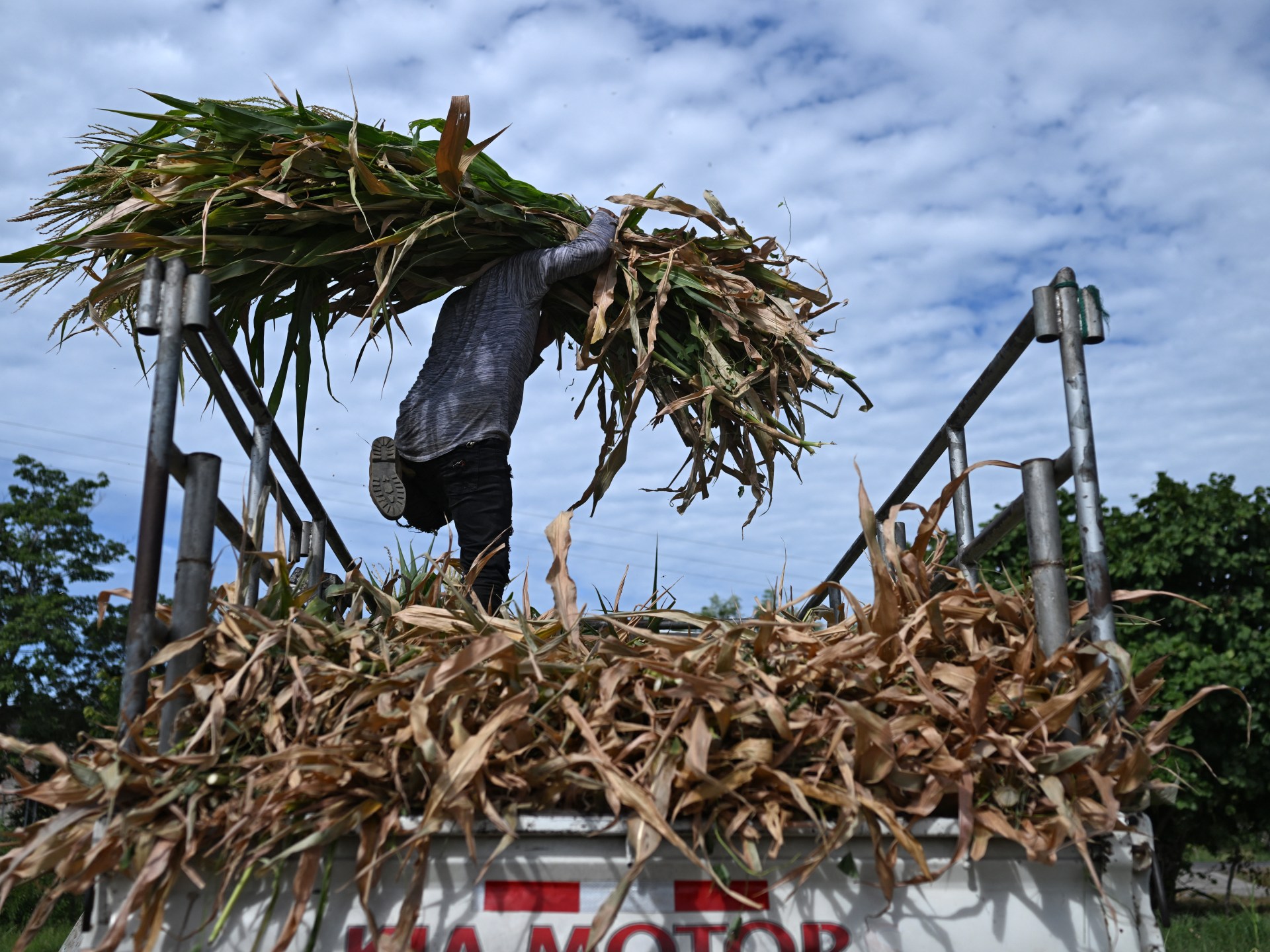
The anticipated El Niño phenomenon expected to develop in 2026-27 poses unprecedented risks as rising global temperatures intensify the weather pattern's natural impacts, according to climate researchers. The cyclical warming of equatorial Pacific Ocean waters, which occurs irregularly every few years, has historically driven dramatic shifts in global weather patterns. However, the addition of human-caused climate change is expected to supercharge the coming event beyond historical precedent.
The convergence of El Niño's natural oscillation with anthropogenic warming could create a "perfect storm" scenario, scientists caution. Previous El Niño events have triggered widespread agricultural failures, water shortages and infrastructure damage across Asia, Africa and the Americas. The 2015-16 El Niño, one of the strongest on record, caused billions in damages and displaced millions of people across multiple continents.
If predictions prove accurate, the 2026-27 El Niño could exceed even those impacts. Climate models suggest the event may push global temperatures to record highs, intensify monsoon disruptions across South and Southeast Asia, and trigger severe droughts in agricultural heartlands. Developing nations in the region, already vulnerable to climate pressures, face particular risk from compounded weather extremes.
Governments and international organizations are beginning preparedness planning for the potential crisis. Early warning systems and disaster mitigation strategies are being upgraded in anticipation of increased demand. Scientists emphasize that while El Niño itself cannot be prevented, aggressive emissions reductions remain crucial to limiting the severity of future events and protecting vulnerable populations from climate-driven weather extremes.