Business · India Bureau
Closing gender gap in agriculture could unlock ₹2 trillion output boost
A new analysis suggests that providing women farmers with equal access to resources and markets could significantly increase India's agricultural productivity. The findings highlight persistent barriers that prevent female cultivators from realizing their full potential.
LSN India ·
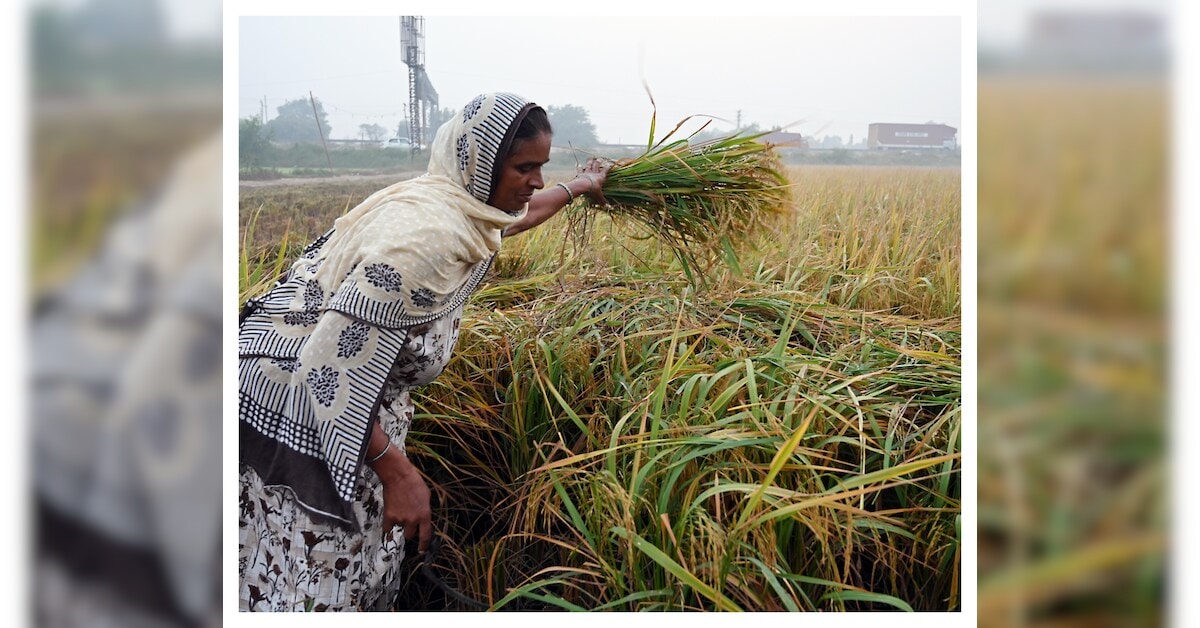
Women constitute a substantial portion of India's agricultural workforce, yet face systematic disadvantages in accessing the resources and infrastructure necessary to maximize crop yields. A recent report estimates that narrowing the gender gap in farm sector participation could add approximately ₹2 trillion to annual agricultural output, underscoring the economic case for gender-inclusive farming policies.
The analysis identifies critical bottlenecks limiting women farmers' productivity. While many women handle grain production and post-harvest activities, they frequently lack comparable access to agricultural credit, modern farming technologies, and organized market channels compared to their male counterparts. Storage facilities, processing equipment, and direct buyer networks remain concentrated among male-headed households.
Experts emphasize that closing these access gaps requires coordinated interventions across multiple domains. Policy initiatives must address credit accessibility through targeted lending schemes, expand technology extension services to rural women, and develop market linkages that connect female farmers directly to buyers and processors. State and federal governments have launched various schemes, though implementation gaps persist.
The report's findings come as India faces pressure to boost agricultural productivity while ensuring sustainable rural livelihoods. Analysts argue that unlocking women's agricultural potential represents both an equity imperative and an economic opportunity, with far-reaching implications for household food security and rural incomes across the country.