World · Malaysia Bureau
Closing the gap: addressing marginalisation of Malaysian Indians
Experts highlight that government-led initiatives must be complemented by grassroots mobilisation to effectively tackle systemic inequalities facing the Indian community. Comprehensive solutions require sustained engagement from both state institutions and community-driven efforts.
LSN Malaysia ·
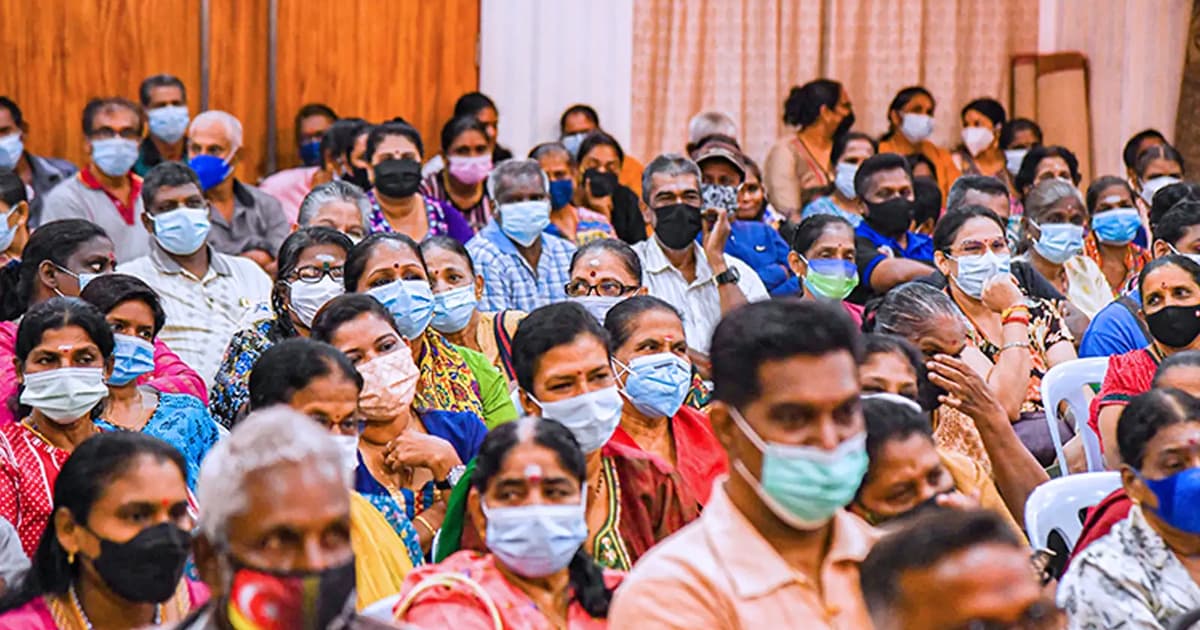
Malaysia's Indian community continues to face structural vulnerabilities that require coordinated intervention across multiple levels of society, according to analysis of the community's socioeconomic positioning. While state-led policies and programmes have created pathways for advancement, their effectiveness remains limited without corresponding momentum from grassroots organisations and community participation.
The marginalisation faced by Indians in Malaysia stems from interconnected challenges spanning education, employment, economic opportunity and social integration. These systemic barriers, deeply embedded in institutional frameworks, cannot be dismantled through government action alone. Policymakers and community leaders increasingly recognise that top-down interventions, though necessary, require parallel bottom-up mobilisation to achieve meaningful, sustained outcomes.
Experts emphasise that maximum efficacy in addressing these vulnerabilities depends on coupling state-led structural opportunities with authentic community agency and commitment to systemic reform. This dual approach acknowledges that while government resources and legislative frameworks provide essential scaffolding, genuine change ultimately derives from communities organising themselves, articulating their own priorities, and driving transformation within their networks and institutions.
The path forward demands sustained collaboration between policymakers, civil society, and Indian Malaysian communities themselves. Success will be measured not merely by programme implementation, but by tangible improvements in educational attainment, economic participation, and social mobility—outcomes achievable only when state initiatives resonate with and amplify community-driven change efforts.