World · India Bureau
Cloud seeding slows glacier melt in China experimental trial
Scientists have demonstrated that artificial snowfall induced through cloud seeding can reduce ice loss at China's Muz Taw Glacier by 14 to 17 percent. The experimental intervention offers a potential strategy to combat accelerating glacier retreat in high-altitude regions.
LSN India ·
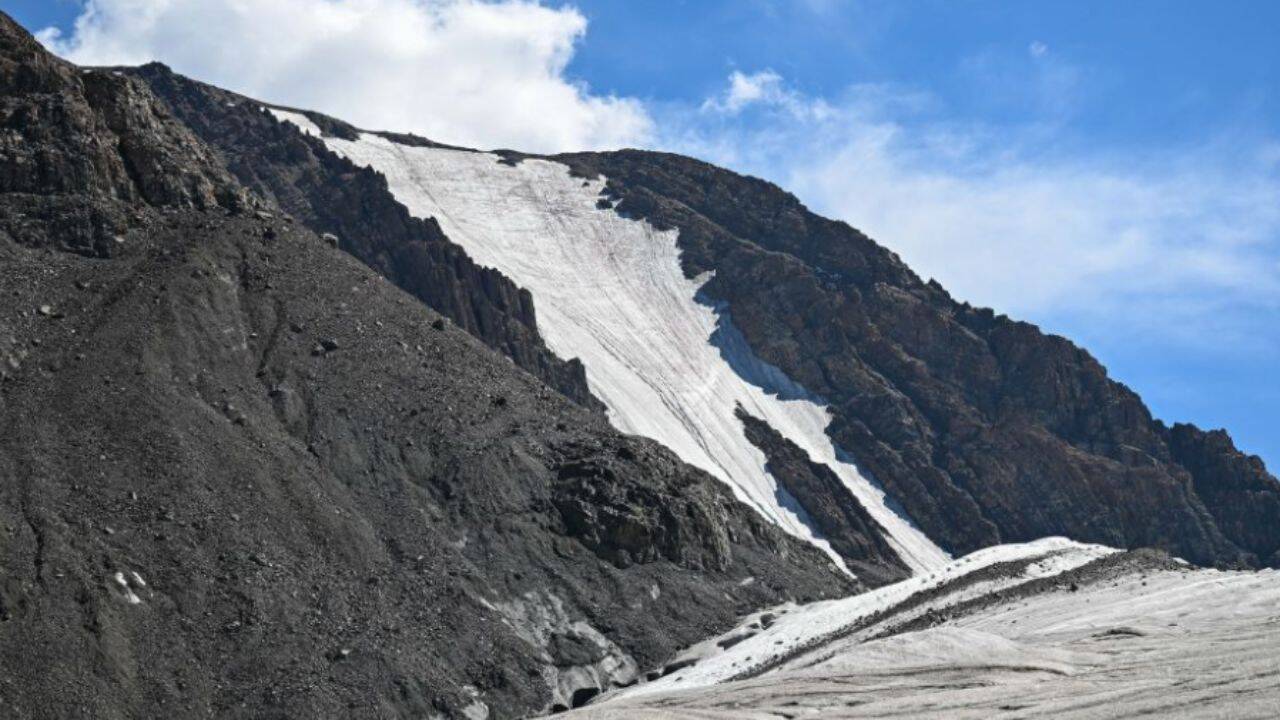
Researchers conducted a cloud seeding experiment over China's Muz Taw Glacier in 2018 as a test case for slowing the dramatic loss of glacial ice affecting water supplies across Asia. The initiative employed silver iodide generators positioned to encourage snow formation in the upper atmosphere, with the intention of increasing precipitation over the glacier's surface.
The approach capitalizes on a fundamental property of glacial physics: fresh snow increases surface reflectivity, or albedo, thereby reducing the amount of solar radiation absorbed by the ice. By artificially enhancing snowfall, the researchers created a brighter surface layer that absorbed less heat and consequently limited the rate of ice melt during the study period.
Measurements taken following the cloud seeding operation indicated that ice loss was curtailed by between 14 and 17 percent compared to control periods. This measurable reduction, while modest, represents a meaningful outcome in efforts to mitigate glacier decline in vulnerable high-altitude ecosystems.
However, researchers cautioned that the findings remain preliminary in nature. They emphasized that more extensive field testing and long-term monitoring are necessary before cloud seeding can be reliably deployed as a large-scale intervention strategy. Climate scientists continue to debate both the efficacy and environmental implications of such geoengineering approaches to address glacier loss in the Hindu Kush-Karakoram and Himalayan mountain ranges.