World · Malaysia Bureau
Coal-dependent communities face uncertain future as region shifts energy sources
Communities in Indonesia and Malaysia are grappling with significant economic and social upheaval as the region moves away from coal-fired power generation. The transition is reshaping livelihoods across coal-producing areas that have long depended on the industry.
LSN Malaysia ·
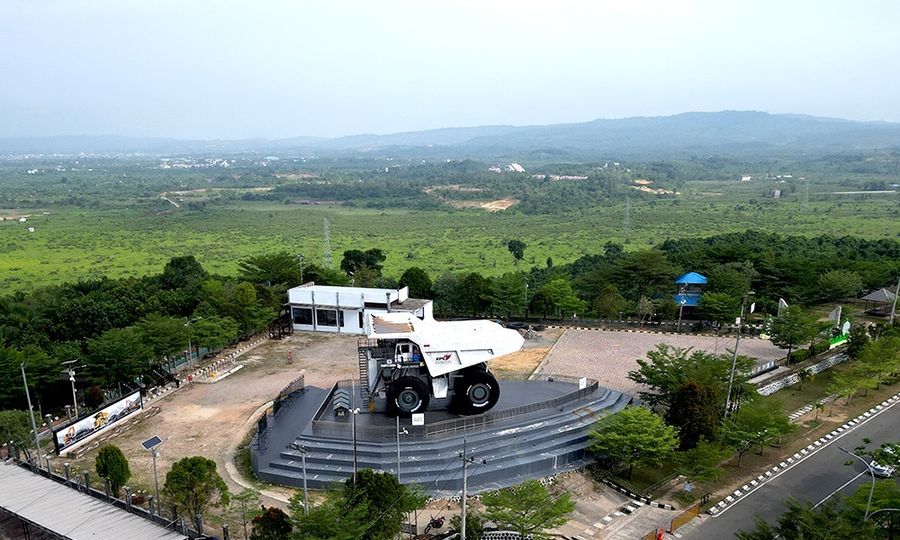
The energy transition sweeping South and Southeast Asia is creating divergent outcomes for coal-dependent communities, with workers and families in Indonesia and Malaysia confronting an uncertain economic future as electricity generation shifts toward cleaner sources.
Malaysia's commitment to phase out coal for power generation has prompted soul-searching in communities built around coal extraction and coal-fired power plants. Workers who have spent decades in the industry now face questions about job security and economic viability, with local economies heavily reliant on coal-related employment and municipal revenue.
Across the border in Indonesia, coal-producing regions are similarly bracing for the transition, though the timeline and pace differ. Communities in both nations are seeking assurances about transition support, retraining programmes, and economic diversification opportunities as the region pursues renewable energy targets.
Government and industry officials have acknowledged the need to manage the social impact of the energy transition, though concrete support mechanisms remain in development. The challenge extends beyond individual livelihoods to encompass broader questions of regional economic sustainability and equitable development during a period of fundamental industrial change.
The situation underscores tensions between climate commitments and local economic realities, with stakeholders across the region calling for comprehensive planning to cushion the blow for communities at the frontline of the energy transition.