Culture & Entertainment · India Bureau
Coal waste transformed into thriving artificial reef in UK experiment
British researchers have successfully converted 50 tonnes of coal-fired power station waste into a functioning marine habitat off the English coast. Marine organisms, including lobsters and edible crabs, colonised the structure within just three weeks of deployment.
LSN India ·
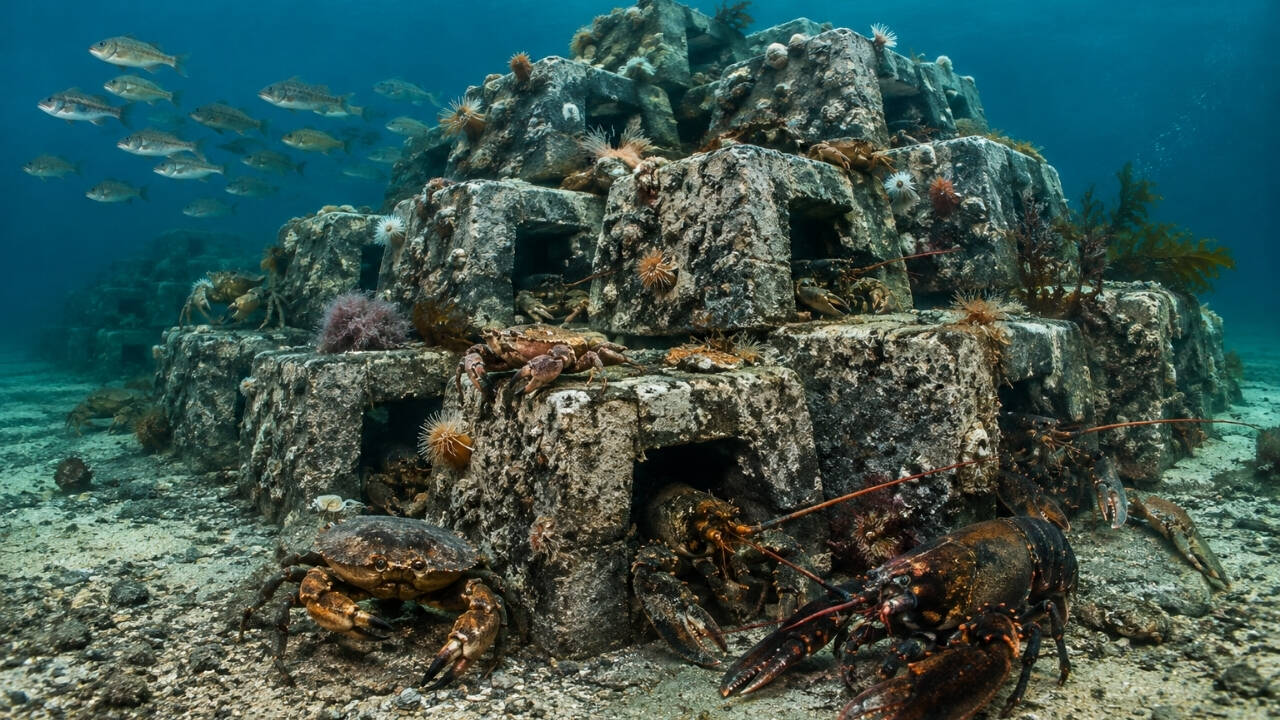
Scientists deployed the innovative artificial reef in Poole Bay, creating a productive ecosystem from industrial byproducts that would otherwise remain unused. The experiment demonstrates the potential for repurposing coal waste as an environmentally beneficial alternative to traditional reef construction materials.
Within three weeks of the structure's placement on the seabed, adult lobsters and edible crabs had discovered and settled on the reef. The rapid colonisation underscores the urgent appetite among marine species for additional habitat in crowded coastal waters where suitable structures remain limited.
Beyond crustaceans, the reef attracted schools of pouting fish and provided spawning grounds for multiple species, indicating the structure's capacity to support a diverse marine community. These early findings suggest that properly engineered coal waste installations could deliver genuine ecological benefits rather than remaining dormant industrial refuse.
The successful trial opens possibilities for similar initiatives across Europe's coastal regions, where power station closures have left substantial quantities of ash and slag in need of purposeful application. The research indicates that with appropriate planning and monitoring, industrial waste materials can be transformed into valuable marine resources.