World · Bangladesh Bureau
Coastal Bangladesh faces water quality threats from arsenic, bacteria and lead
Water contamination poses serious health risks across saline-affected coastal regions of Bangladesh, with multiple pollutants compromising drinking water safety for millions of residents.
LSN Bangladesh ·
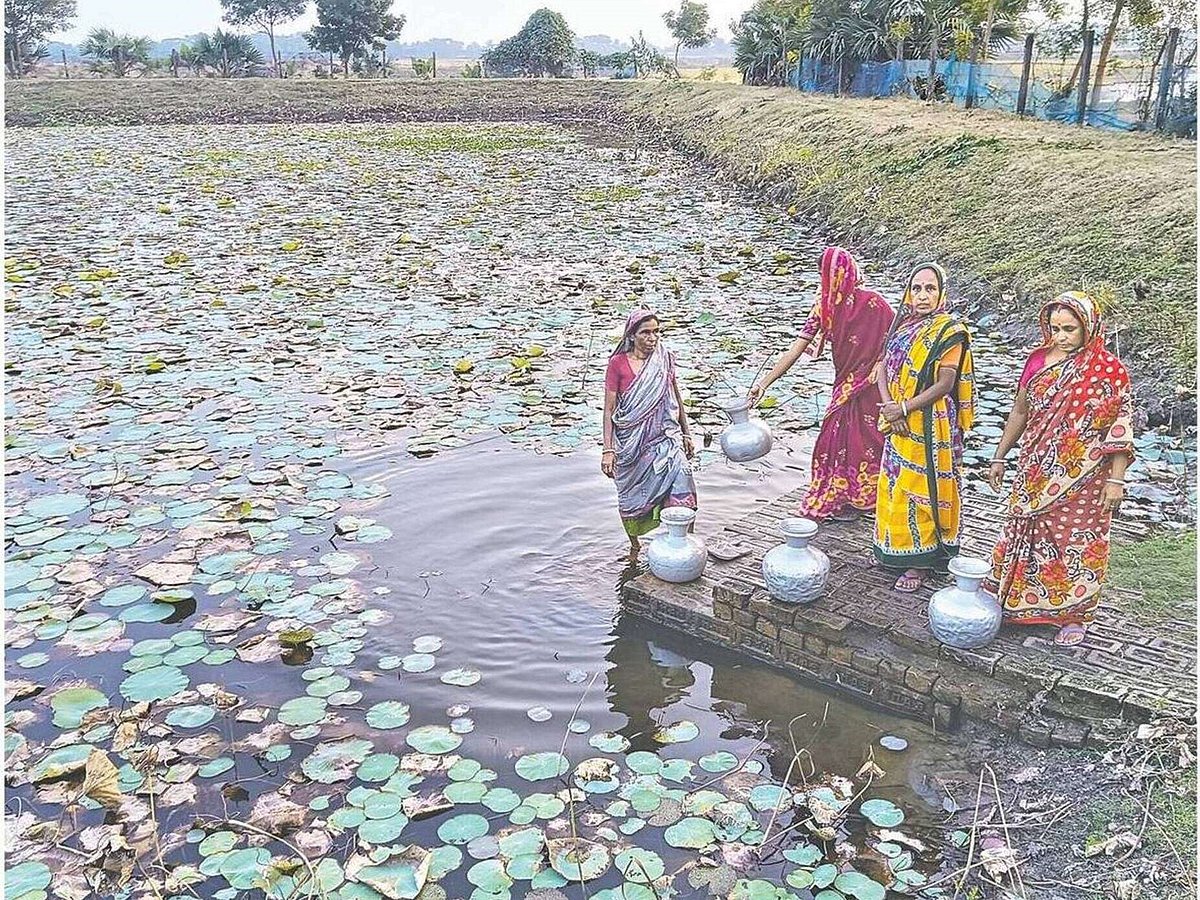
Coastal areas of Bangladesh face mounting challenges from contaminated water supplies, as arsenic, bacterial pathogens, and lead accumulate in drinking water sources across saline-prone regions. The combination of these hazardous substances threatens public health in communities already vulnerable to salinity intrusion, a growing concern exacerbated by rising sea levels and groundwater depletion.
Arsenic contamination remains a persistent problem in Bangladesh's groundwater, with coastal aquifers showing elevated concentrations that exceed international safety standards. The presence of harmful bacteria in water supplies further compounds risks, particularly in areas with inadequate sanitation infrastructure and limited access to treated water. Lead contamination, often linked to aging water distribution systems and natural geological sources, adds another layer of concern for vulnerable populations.
Healthcare experts warn that prolonged exposure to these contaminants can trigger serious illnesses, including skin conditions, gastrointestinal disorders, and developmental problems in children. Communities relying on shallow wells and unregulated water sources face the highest risk, with many unable to afford alternative water supplies or treatment systems.
The situation underscores the urgent need for comprehensive water quality monitoring, infrastructure improvements, and public awareness campaigns across coastal Bangladesh. Authorities have been urged to prioritize testing and remediation efforts in the most affected areas, while investing in sustainable water management solutions that address both salinity and chemical contamination challenges.