World · Singapore Bureau
Coastal microbes degrade oil faster in drier, oxygen-rich sand
Research conducted in Singapore's coastal waters reveals that naturally occurring microorganisms break down crude oil more efficiently when sand contains lower moisture levels and higher oxygen concentrations. The findings emerged from investigations following a significant 2024 oil spill incident.
LSN Singapore ·
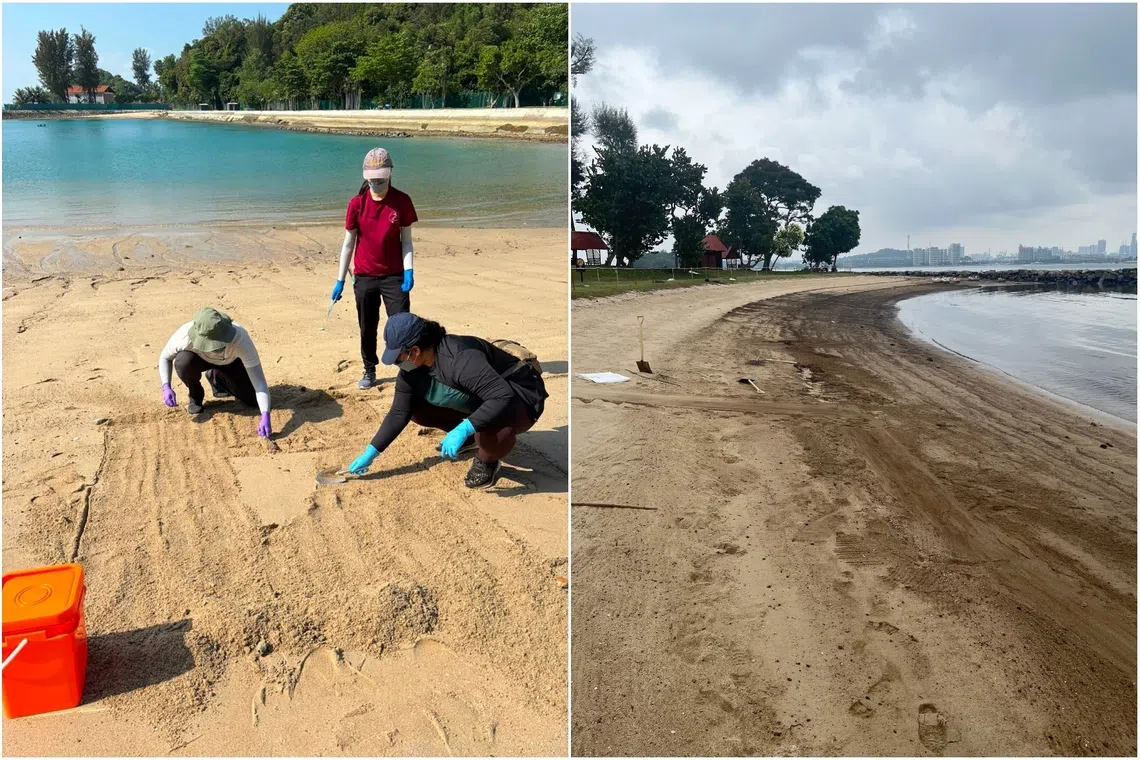
Scientists studying microbial activity along Singapore's coastline have identified key environmental factors that accelerate the natural degradation of crude oil in marine sediments. The research demonstrates that microorganisms present in coastal sand are more effective at breaking down petroleum hydrocarbons when the sand is less saturated with water and contains greater oxygen availability.
The study examined how moisture and oxygen levels in beach sediments influence the rate at which naturally occurring bacteria and other microbes consume and decompose oil compounds. Researchers found that reducing waterlogging in affected areas—thereby increasing oxygen penetration into the sand—creates more favourable conditions for these microbial communities to function.
These findings have direct implications for environmental remediation efforts along Singapore's coast. Understanding the optimal conditions for microbial oil degradation could inform strategies for managing contamination from spills and improving recovery timelines for affected marine ecosystems.
The research initiative was prompted by one of Singapore's most significant oil spill incidents, which occurred in 2024. The incident highlighted the need for improved understanding of natural bioremediation processes that could support cleanup and environmental recovery efforts in the region's waters and coastal zones.