Culture & Entertainment · India Bureau
Cockpit attack on Dubai-Tel Aviv flight exposes aviation security gaps
A mid-air stabbing aboard a FlyDubai aircraft has prompted fresh questions about cockpit security protocols across the Middle East and globally. The incident, involving an alleged attack by a crew member, forced an emergency landing in Saudi Arabia and is now under multi-country investigation.
LSN India ·
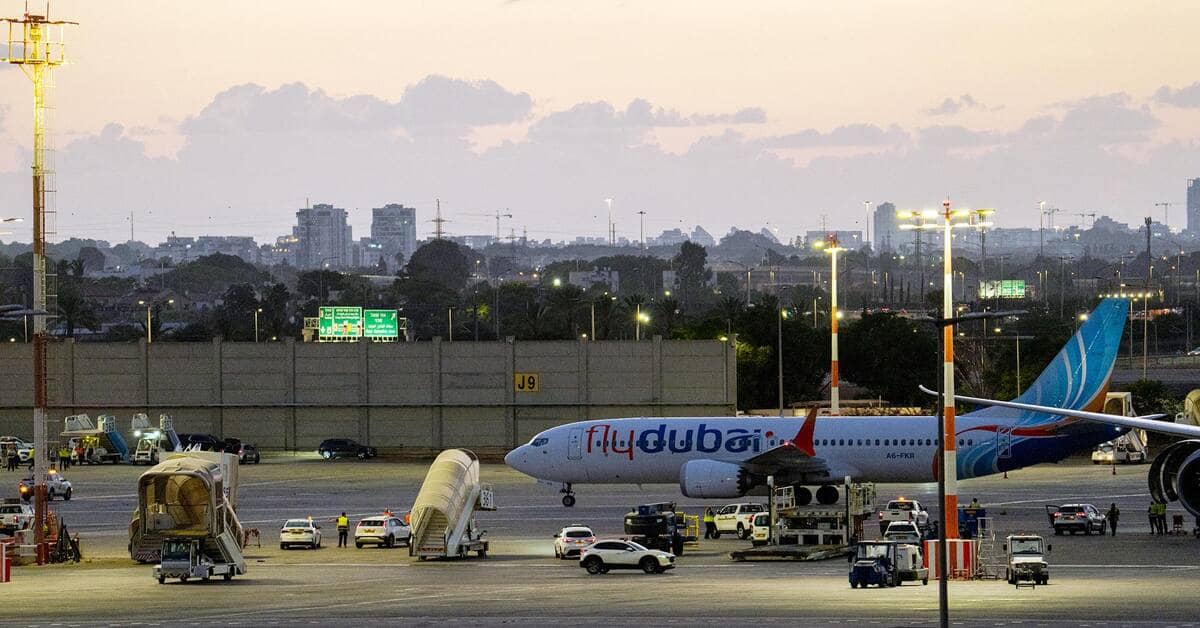
Aviation authorities are reassessing security procedures following an alleged cockpit attack aboard FlyDubai Flight FZ1073 on Wednesday, which saw a copilot allegedly stab the captain during the flight from Dubai to Tel Aviv. The aircraft, carrying 174 passengers, made a safe emergency landing in Saudi Arabia after other crew members intervened to stop the attack.
The incident has highlighted a significant gap in aviation security protocols, which have traditionally focused on screening passengers and baggage rather than vetting threats from flight crew members themselves. Both Israel and the United Arab Emirates maintain some of the world's most rigorous air travel security standards, yet the safeguards in place proved insufficient to prevent the in-flight emergency.
Saudi, Emirati and Israeli authorities have launched a joint investigation into the incident, with the United States and Oman assisting in efforts to establish the copilot's motive. Security analysts and aviation officials are now expected to review whether additional screening measures or protocols are needed for cockpit personnel to prevent similar incidents in the future.
The occurrence marks a rare breach of cockpit security and is likely to prompt wider discussions across the aviation industry about the balance between maintaining secure flight operations and ensuring crew accessibility during normal operations. Preliminary reports indicate all passengers and crew aboard the flight were safe following the emergency landing.