World · Singapore Bureau
Coconut Club's decade-long quest redefines value of Singapore's nasi lemak
A decade after opening, The Coconut Club's premium approach to nasi lemak—backed by unconventional engineering and rigorous quality controls—challenges how diners perceive the worth of beloved local dishes. The restaurant's S$12.80 offering exemplifies a broader conversation about valuing artisanal approaches to hawker fare.
LSN Singapore ·
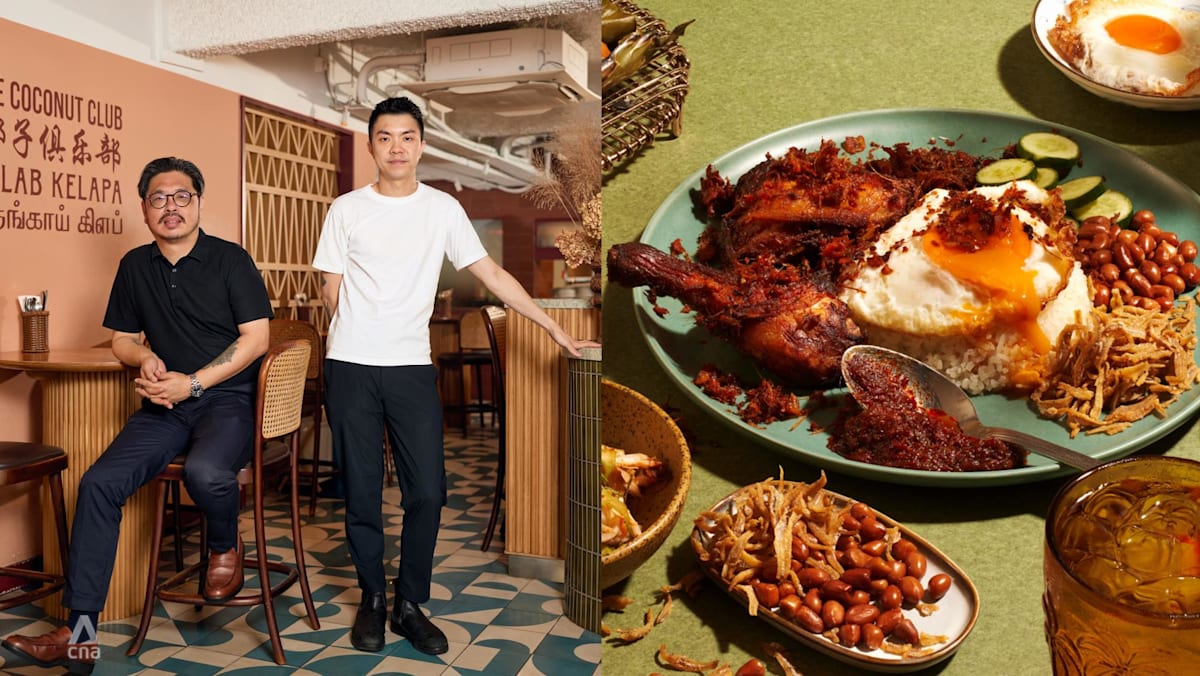
The Coconut Club has spent ten years building its reputation on an unlikely foundation: a cold-press coconut machine engineered by a Formula 1 specialist and daily inspections of ikan bilis sourced for its signature nasi lemak. The painstaking methodology behind each plate reflects a philosophy that treats Singapore's most iconic comfort food not as a commodity, but as an artisanal product worthy of precision and investment.
At S$12.80 per serving, the dish commands a price point substantially higher than typical hawker offerings, yet the restaurant's longevity suggests diners have embraced its value proposition. Every component, from the coconut milk pressed fresh each day to the careful curation of dried fish, undergoes scrutiny that borders on obsessive. This attention to detail distinguishes The Coconut Club in a market where nasi lemak is ubiquitous and often sold for a fraction of the price.
The restaurant's decade-long journey illuminates a shifting landscape in Singapore's food culture, where consumers increasingly distinguish between mass-produced interpretations of local classics and versions built on rigorous sourcing and preparation standards. As the establishment marks its ten-year milestone, it raises fundamental questions about how heritage dishes should be valued and whether premium positioning can be justified through transparency and craftsmanship.
The model suggests that some diners are prepared to pay substantially more for nasi lemak when they understand the engineering, sourcing rigour, and daily quality assurance underpinning each plate. For food entrepreneurs across Southeast Asia, The Coconut Club's trajectory may signal growing appetite for elevated takes on beloved regional staples.