World · India Bureau
Coconut shell biochar shown to enhance asphalt durability and heat resistance
Research indicates that incorporating biochar derived from coconut shells into asphalt mixtures can significantly improve the material's thermal properties and structural integrity. A 12.5 percent addition of the sustainable byproduct demonstrated measurable gains in heat resistance.
LSN India ·
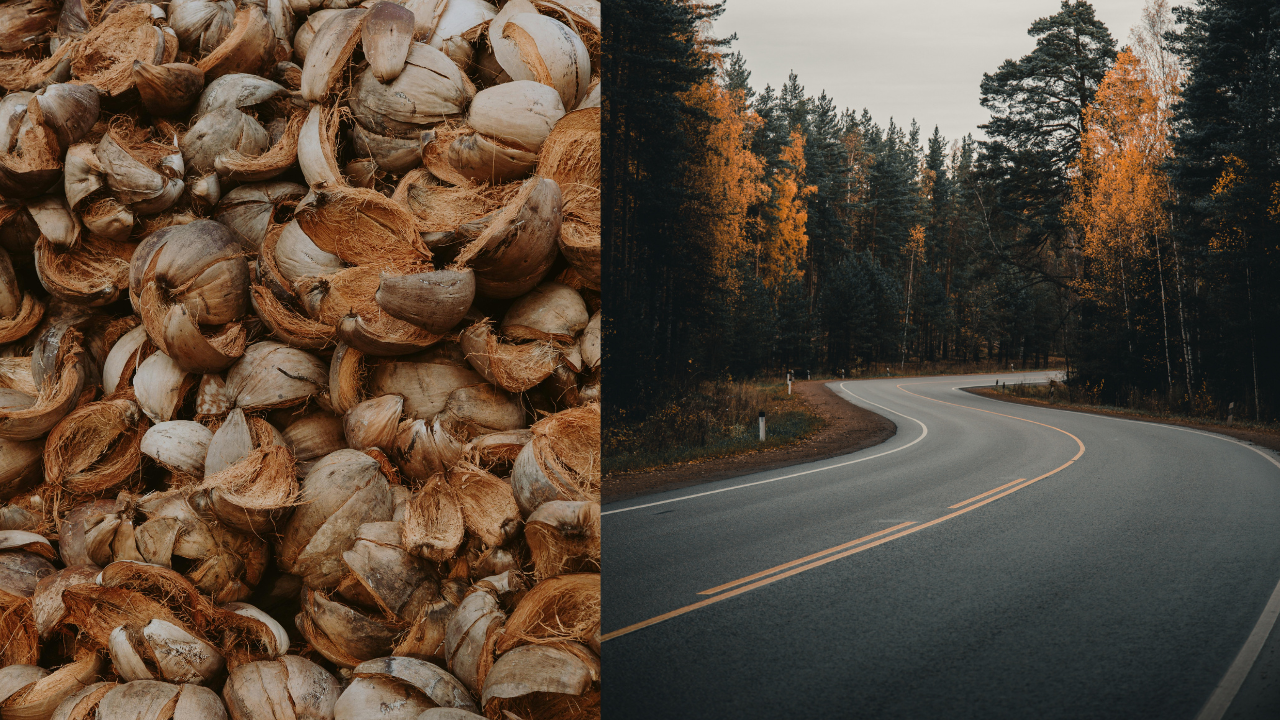
Scientists have identified a promising application for coconut shell biochar in road construction, with findings suggesting the material can strengthen asphalt while bolstering its resistance to heat-related degradation. The research centers on incorporating the carbon-rich biochar—produced through controlled heating of coconut shells—into conventional asphalt formulations used in pavement construction.
When biochar constituted 12.5 percent of the asphalt mixture by weight, test results showed notable improvements in thermal stability, indicating the material's potential to reduce temperature-induced cracking and rutting. This enhancement is particularly significant for regions experiencing high ambient temperatures and intense solar exposure, conditions common across South and Southeast Asia.
The findings represent an opportunity to create more durable road surfaces while simultaneously finding productive use for agricultural waste products. Coconut shell biochar, a byproduct of coconut processing industries prevalent throughout the region, has long posed disposal challenges for producers. The research suggests a viable pathway to convert this waste stream into a value-added construction material.
The improved heat resistance could translate to longer-lasting roads requiring less frequent maintenance and resurfacing. If adopted at scale, the technology might reduce lifecycle costs associated with pavement deterioration while advancing the construction sector's sustainability objectives through incorporation of renewable, waste-derived materials.