World · India Bureau
Coconut shells needn't be waste: practical reuse tips for Indian households
Most Indian households discard coconut shells after extracting water and flesh for cooking or religious purposes. These discarded shells can be repurposed for multiple practical applications rather than sent to landfills.
LSN India ·
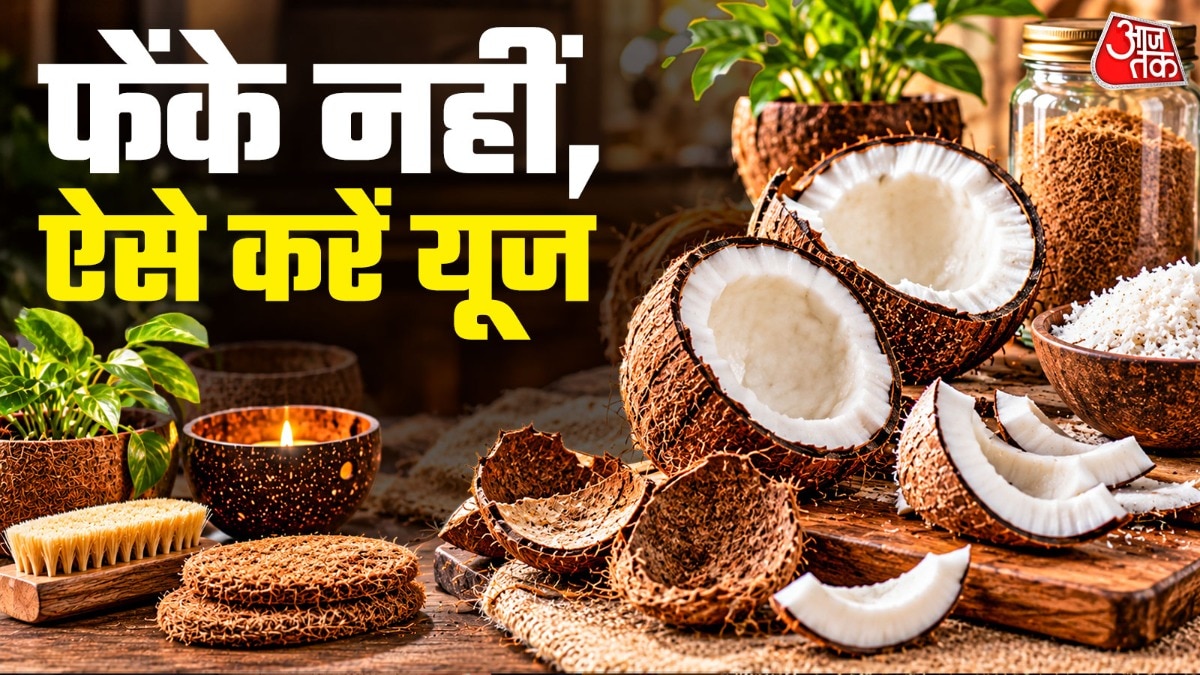
Coconut shells, typically considered waste after the fruit's edible portions are removed, hold significant potential for household reuse across India. Whether sourced for chutney preparation, religious ceremonies, or domestic consumption, the outer covering is often thoughtlessly discarded despite its utility.
The fibrous shells can serve multiple purposes in daily life. Common applications include using dried shells as natural fuel for cooking fires, grinding them into powder for use as a mild abrasive cleaner for cookware and surfaces, or incorporating them into organic compost to improve soil quality for gardening and potted plants.
Beyond domestic applications, coconut shell waste can be fashioned into decorative items, plant containers, or organizers for storage purposes. The shells' natural durability makes them suitable for craft projects and home décor when properly cleaned and dried.
For those seeking environmental sustainability practices, collecting and repurposing coconut shells reduces household waste entering landfills while providing practical materials for multiple uses. Rather than discarding these shells, households can establish simple collection methods and identify suitable applications based on their specific needs and available space.