Culture & Entertainment · India Bureau
Colleges barred from penalizing students over scholarship payment delays
India's Department of Collegiate Education has issued a directive prohibiting educational institutions from restricting student access to classes, practicals, or examinations due to delayed scholarship disbursements. The warning comes as institutions face mounting pressure over funding delays affecting thousands of beneficiaries.
LSN India ·
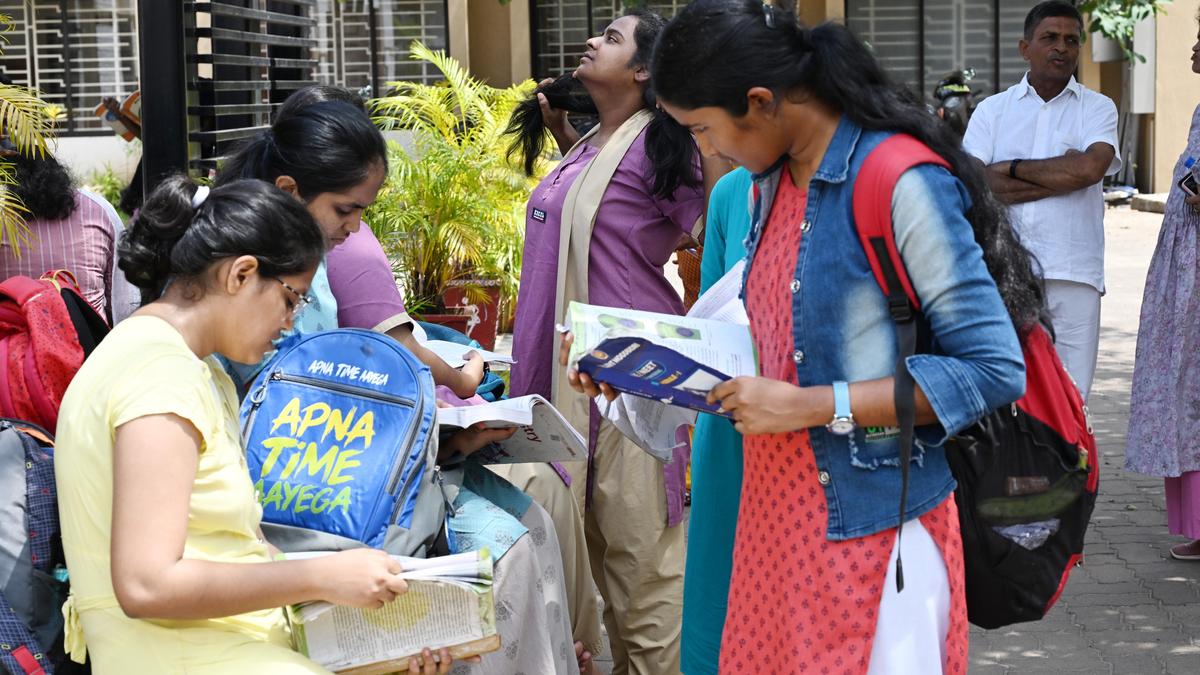
The Department of Collegiate Education has cautioned colleges across the country against taking punitive measures against students whose scholarships have been delayed, emphasizing that no student should face academic restrictions because of administrative or financial lapses.
In a clear directive, the department stated that students must not be barred from attending regular classes, practical sessions, or sitting for examinations under any circumstances, regardless of pending scholarship payments. The order underscores the need for educational institutions to separate financial arrangements from academic participation rights.
The warning addresses a persistent problem in India's higher education system, where scholarship disbursement delays—often stemming from bureaucratic bottlenecks and fund allocation issues—have left students vulnerable to institutional penalties. Many colleges have historically withheld academic privileges or academic records from students with outstanding fees or pending financial aid.
The directive places responsibility on institutions to ensure that scholarship delays do not translate into academic disadvantages for beneficiaries. Educational authorities have instructed colleges to maintain detailed records of delayed cases and facilitate the resolution of payment issues through proper channels.
Students and parents facing such restrictions have been advised to lodge complaints with their respective college administrations and state education departments, which have been directed to intervene in cases of non-compliance with the directive.