World · Philippines Bureau
Colonial-era arches at Bulakan cemetery reflect historical class divisions
Centuries-old architectural remnants at a Roman Catholic cemetery in Bulakan, Bulacan's former provincial capital, stand as physical testaments to the wealth disparities that once—and arguably still—defined Filipino society, even extending to burial grounds.
LSN Philippines ·
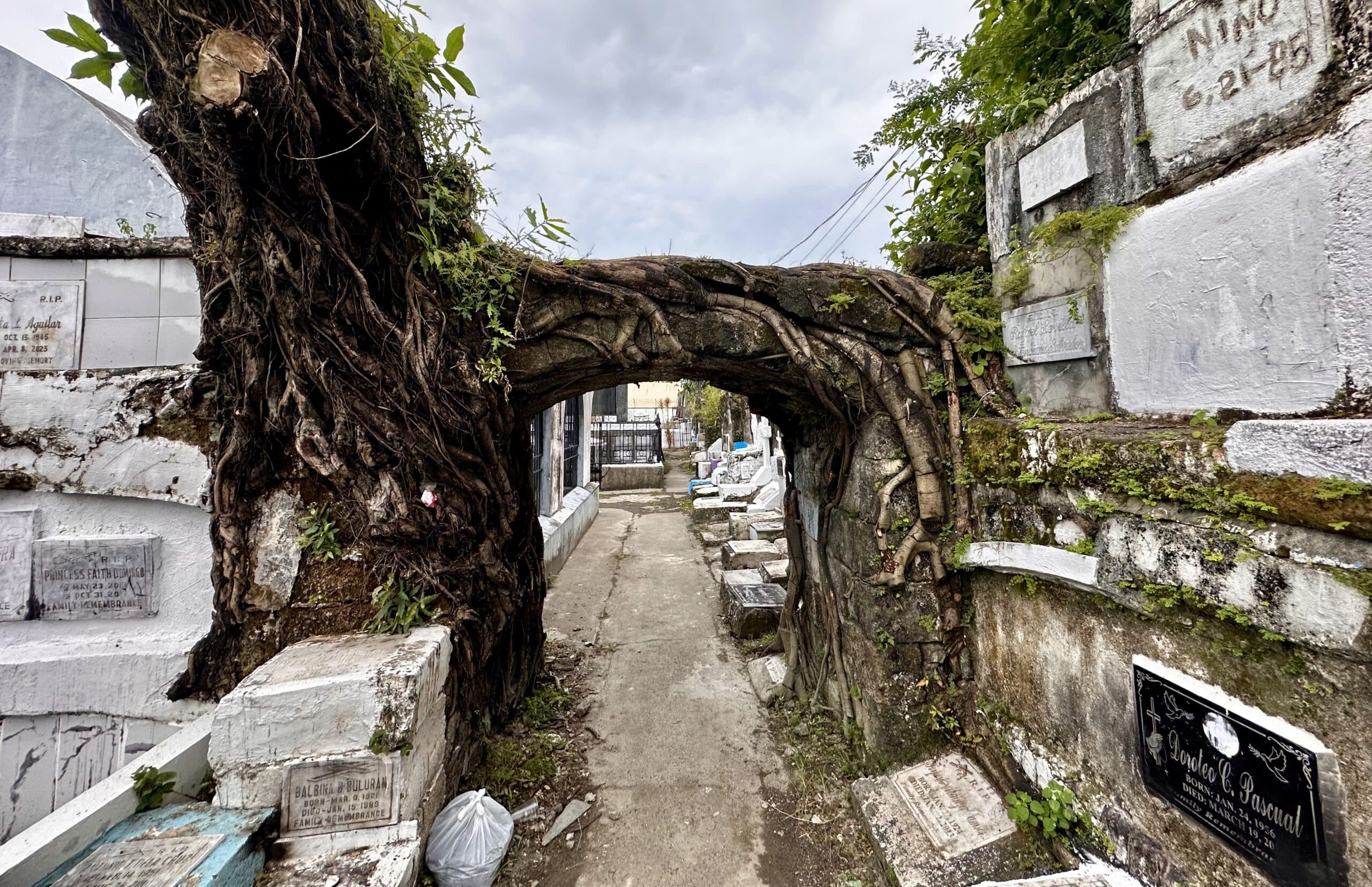
BULAKAN, Bulacan—At least two weathered arches remain standing at the municipal cemetery adjacent to the Nuestra Señora de la Asunción Church, serving as stark reminders of how socioeconomic hierarchies were once rigidly enforced in death as well as life. The centuries-old structures physically demarcated separate burial sections for the wealthy and the poor, a spatial segregation that mirrored the broader class stratification of colonial and post-colonial Philippine society. The architectural division underscores how deeply entrenched inequality penetrated even the most solemn spaces of religious observance and remembrance.
The Bulakan cemetery's design reflects burial practices common throughout the Philippines during the Spanish colonial period and beyond, when cemeteries functioned as microcosms of the rigid social hierarchies that dominated daily life. Those with sufficient wealth could afford premium burial plots near the church or within specially designated areas, while the less affluent were consigned to peripheral sections, literally marked off by these monumental arches.
Today, these structures stand as historical artifacts documenting the intersection of faith, commerce, and social inequality in Philippine history. Preservation efforts have kept the arches intact, allowing residents and historians alike to grapple with this tangible evidence of how institutionalized class divisions shaped even the most fundamental human experiences. The cemetery thus functions as an open-air museum of social history, inviting reflection on how far contemporary Filipino society has progressed in addressing persistent inequality.