World · World News Bureau
Colonial Legacy Continues to Shape Modern Global Order
Historians and geopolitical analysts worldwide are reassessing the enduring influence of historical empires on contemporary international relations, economics, and cultural frameworks. The architectural foundations of the modern state system, trade networks, and power structures remain deeply rooted in imperial expansion and colonial rule.
LSN World News ·
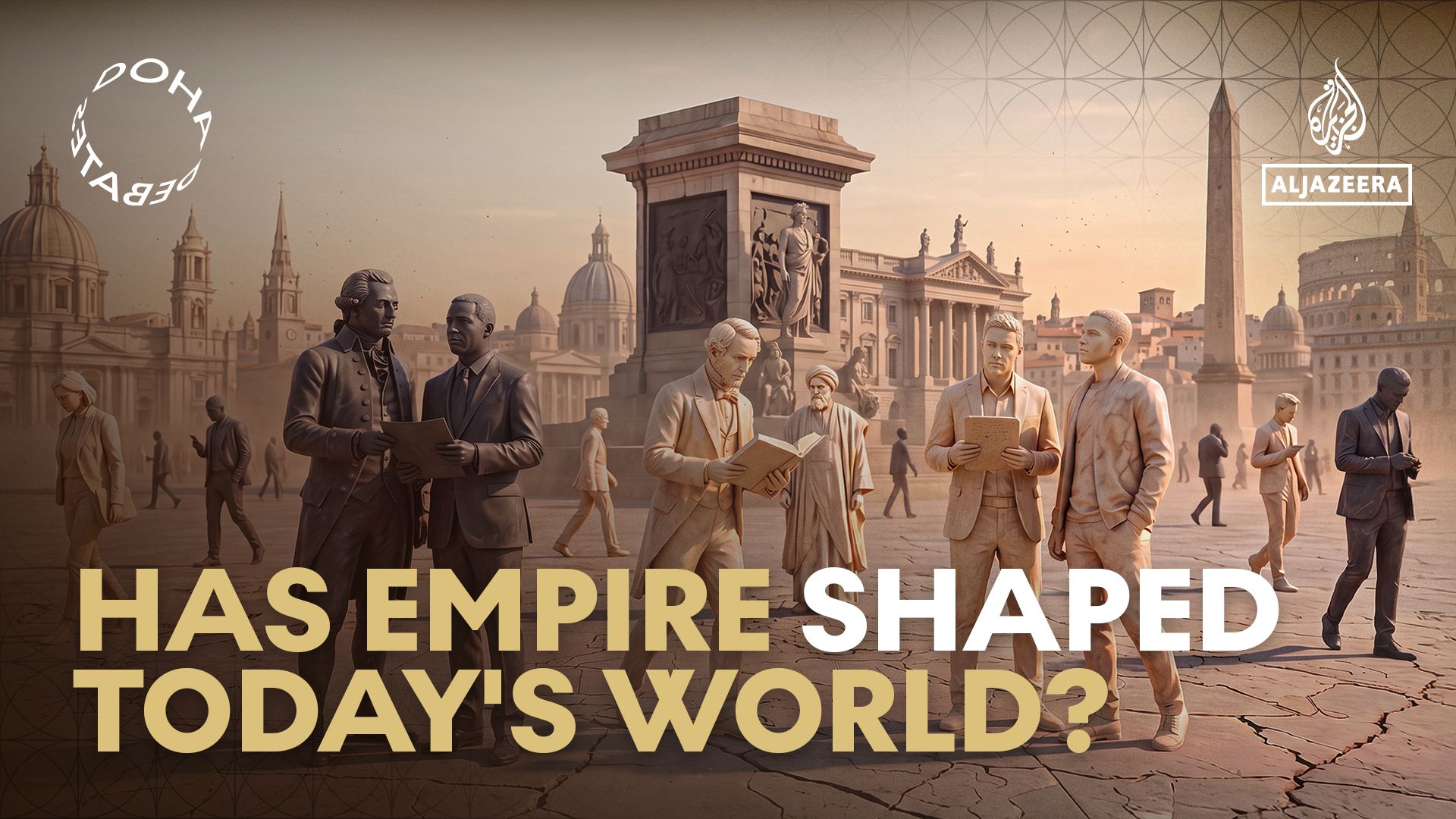
The question of how extensively imperial history continues to define the contemporary world has become increasingly central to scholarly debate and policy discussions across multiple disciplines. From the borders drawn by colonial administrators to the institutional frameworks inherited by independent nations, the fingerprints of empire remain visible throughout global governance structures, economic hierarchies, and diplomatic relationships.
Geopolitical experts point to the persistence of English as a global lingua franca, the dominance of Western-originated legal systems, and the economic dependencies established during the colonial era as evidence of empire's lasting imprint. Former colonial territories often retain institutional structures, administrative practices, and educational systems established under imperial rule, creating continuities that shape governance and development trajectories decades after independence.
The distribution of natural resources, strategic maritime chokepoints, and territorial configurations across Africa, Asia, and the Pacific remain largely products of imperial carving and resource extraction strategies. These geographical realities continue to influence contemporary conflicts, economic opportunities, and geopolitical alignments in regions spanning from the Indian Ocean to Southeast Asia.
Scholars emphasize that understanding these historical continuities is essential for comprehending modern international inequalities, development disparities, and ongoing regional tensions. The debate extends beyond academic circles, influencing reparations discussions, postcolonial policy frameworks, and efforts to reshape international institutions that many argue still reflect colonial-era power distributions rather than contemporary global realities.