Culture & Entertainment · India Bureau
Colorado bear sightings surge past 7,000 as drought drives animals to cities
Severe drought conditions across the American West have forced malnourished bears into urban areas in unprecedented numbers, with Colorado recording more than 7,000 sightings in 2026—a new full-year record. The crisis highlights how environmental pressures are reshaping wildlife behaviour and threatening human-animal coexistence in populated regions.
LSN India ·
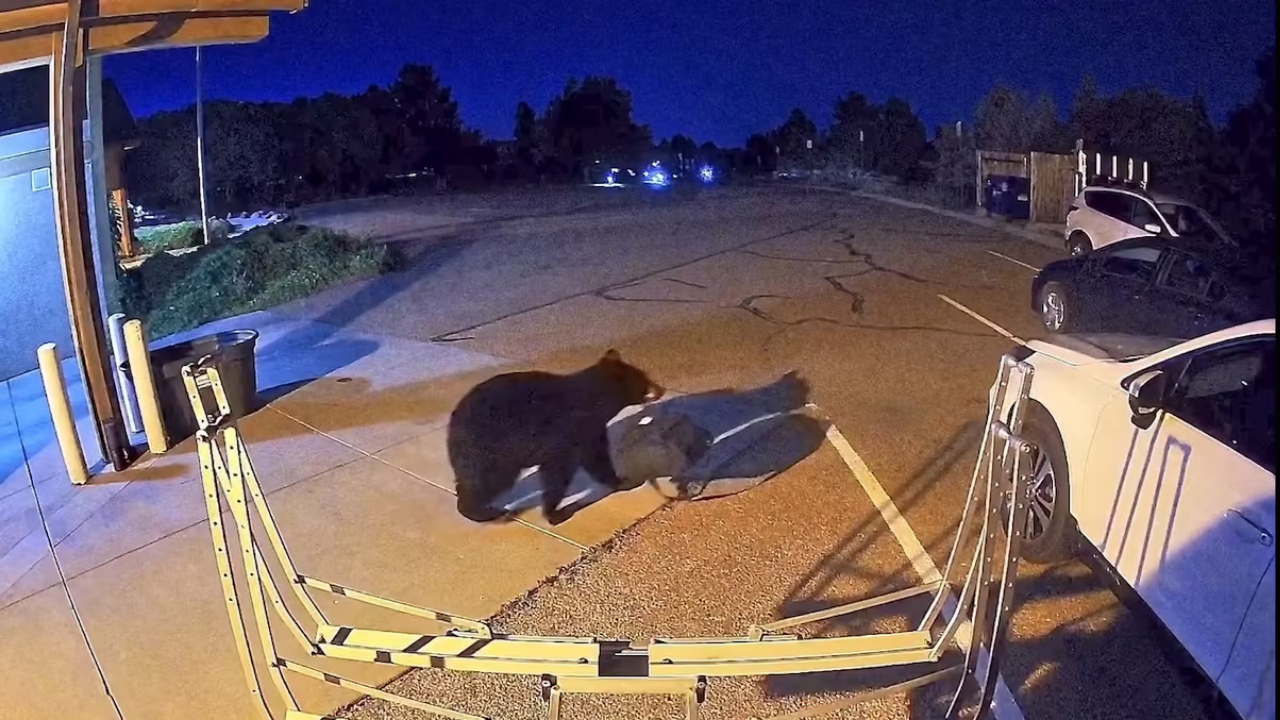
Colorado has documented more than 7,000 bear sightings in 2026, surpassing its previous full-year record as severe drought conditions across the American West intensify human-wildlife encounters. The spike reflects a broader environmental crisis affecting the region, where dwindling natural vegetation has forced bears to abandon their traditional habitats and venture into human settlements in search of food.
Malnourished bears, driven by hunger as natural food sources disappear, have increasingly turned to urban areas where human activity provides easier foraging opportunities. Garbage bins, bird feeders, and other accessible food sources in residential and commercial areas have become primary attraction points for the animals, creating dangerous situations in both suburban and urban zones.
Authorities note that most encounters stem from easily preventable human behaviour. Unsecured rubbish bins and unattended bird feeders remain the primary culprits, with residents often inadvertently providing bears with regular food sources that encourage repeated visits to populated areas. As regional populations continue to grow, these preventable incidents are becoming more frequent.
The record sightings underscore the cascading effects of prolonged drought on wildlife populations and the delicate balance between environmental degradation and urban expansion. Wildlife management officials emphasise that community cooperation—particularly through proper waste management and securing potential food sources—remains critical to reducing dangerous encounters and protecting both human residents and the region's bear populations.