World · Singapore Bureau
Colorectal cancer screening: comparing stool tests, blood work and colonoscopy
As colorectal cancer rates rise across Asia, medical experts are clarifying which screening methods work best for different patient profiles. Singapore health authorities recommend weighing the benefits and limitations of each approach.
LSN Singapore ·
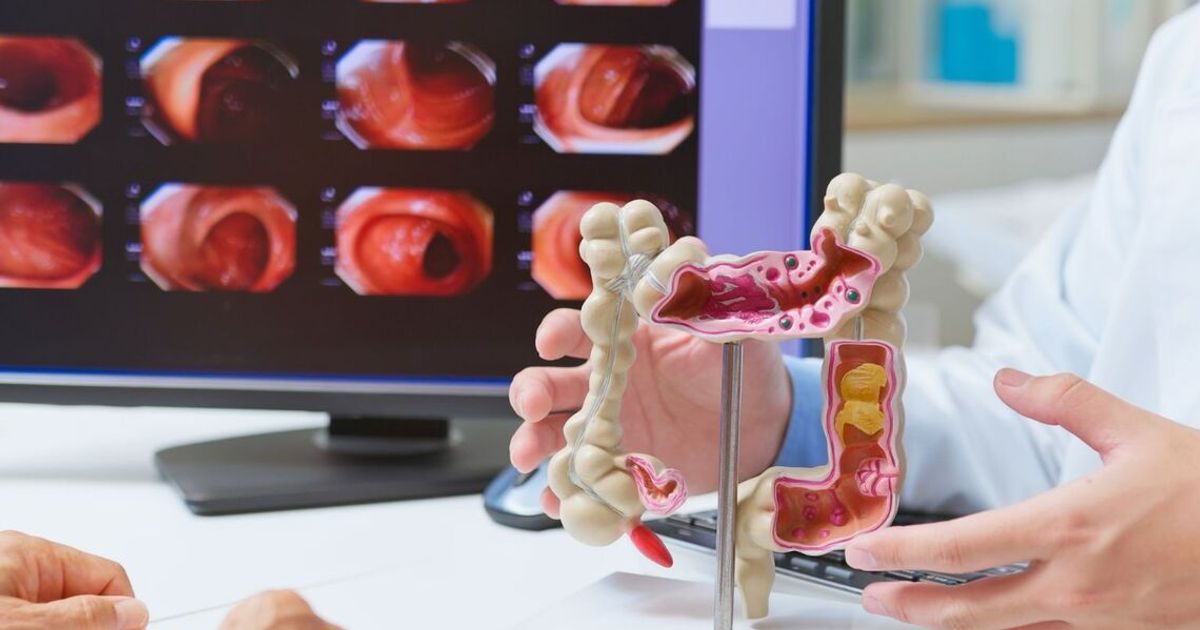
Colorectal cancer remains a significant health concern in Singapore and across the region, with screening rates critical to early detection and improved survival outcomes. Three primary screening methods are available to patients: faecal tests, blood tests, and colonoscopy, each offering distinct advantages and considerations.
Stool-based screening tests, including faecal occult blood tests and faecal immunochemical tests, are non-invasive and can be performed at home. These methods are relatively affordable and accessible, making them suitable for initial screening in asymptomatic individuals. However, their sensitivity varies, and positive results typically require follow-up colonoscopy for confirmation.
Blood tests represent an emerging screening option, detecting biomarkers associated with colorectal cancer risk. These tests offer convenience and may identify high-risk individuals for further investigation. Nevertheless, their clinical application in routine screening remains evolving, and consultation with healthcare providers is essential to determine appropriateness.
Colonoscopy remains the gold standard for colorectal cancer screening, enabling direct visualisation of the colon and immediate removal of precancerous polyps. While more invasive than other methods, colonoscopy provides the highest sensitivity and therapeutic capability. Medical professionals recommend individualised screening discussions based on age, family history, and personal risk factors to determine the optimal approach for each patient.