World · India Bureau
Common care mistakes may explain lack of blooms on night-flowering jasmine plants
Gardeners across India struggling with non-flowering harsingar, or night-flowering jasmine plants, need not invest in expensive fertilizers to resolve the issue. Three basic cultivation errors related to sunlight, watering, and nutrition are often responsible for poor blooming and wilting foliage.
LSN India ·
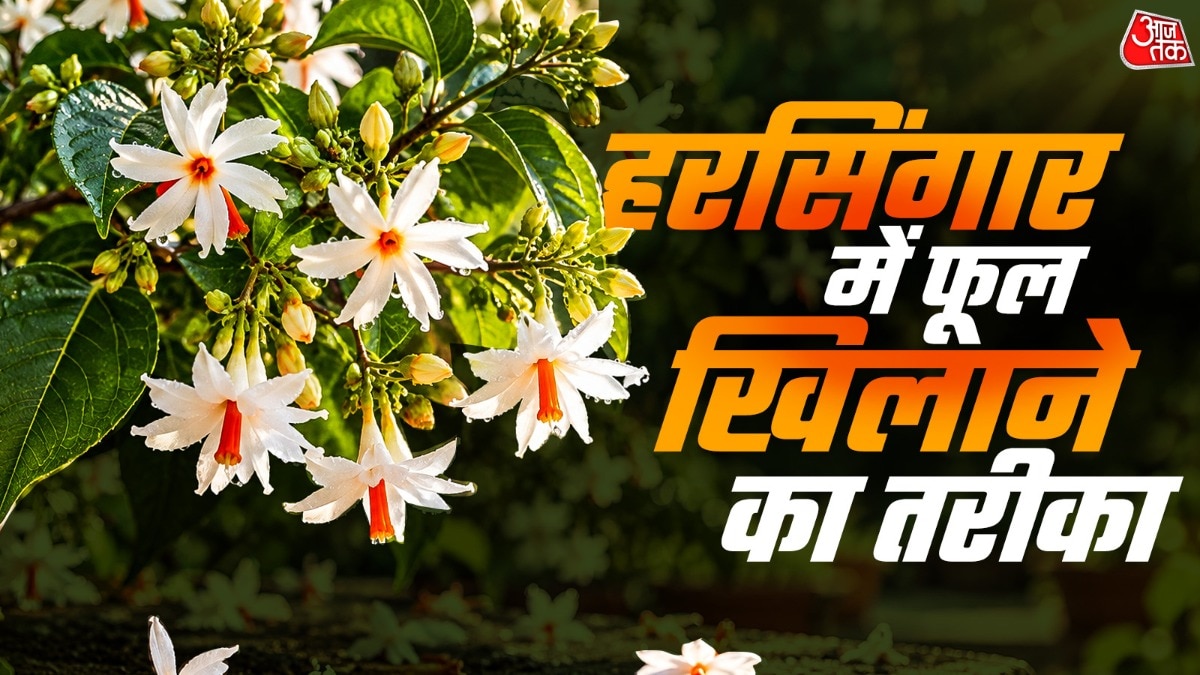
The harsingar plant, scientifically known as Cestrum nocturnum and commonly called night-flowering jasmine or parijatak, is a popular ornamental shrub in Indian households prized for its fragrant nocturnal blooms. Yet many gardeners report disappointment when their plants fail to flower or display yellowing, drooping leaves despite regular care attempts.
Horticulturists attribute most flowering failures to preventable cultivation mistakes rather than inherent plant deficiencies. The three most common errors involve inadequate sunlight exposure, improper watering schedules, and incorrect nutrient application. Night-flowering jasmine thrives in bright, indirect light and requires consistent moisture without waterlogging, conditions often overlooked by amateur gardeners.
The plant's nutritional requirements are modest compared to heavy-feeding flowering varieties, meaning excessive or inappropriate fertilizer application can paradoxically inhibit blooming. Gardeners are advised to ensure their plants receive at least six to eight hours of quality daylight, maintain soil moisture without creating wet conditions, and apply balanced, diluted fertilizers sparingly during the growing season.
By addressing these three fundamental care aspects, even novice gardeners can expect their night-flowering jasmine plants to produce abundant blooms without resorting to costly commercial products. Regular observation of plant health indicators and adjustment of care practices based on seasonal changes will typically restore flowering vigor within weeks.